


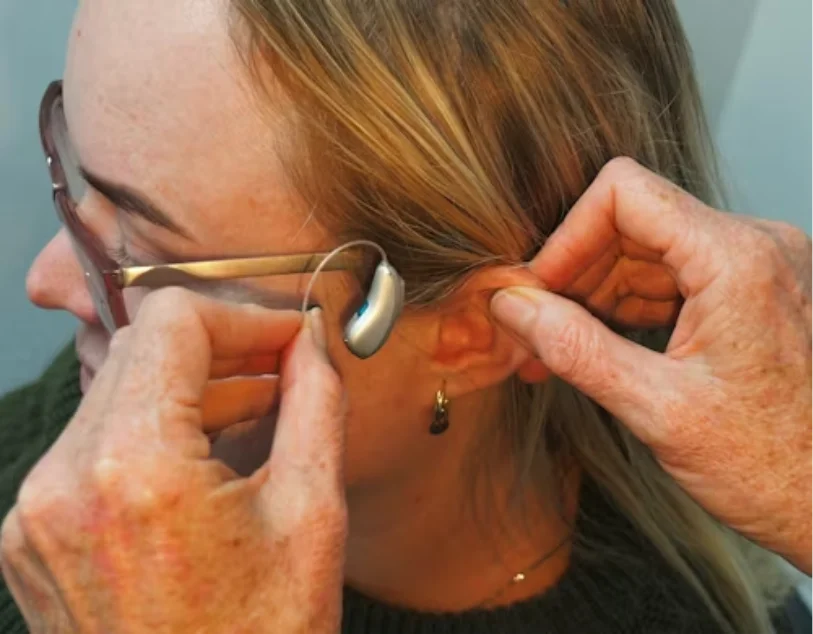
If you or a person close to you is thinking of getting a hearing aid, it is a huge step towards regaining connection with the world of sounds.
While it is a huge step towards regaining connection with the world of sounds, it is not as easy as simply picking one up from a store shelf. Due to the constant advancements in technology, it is a task that is full of options, making it extremely difficult to choose one.
In order to not only enhance hearing but also be satisfied with the investment, it is important to consider various factors while making a choice.
Before making the final choice, here are seven things you must know.
1. Types of Hearing Aids Available
Hearing aids come in different styles, each of which is appropriate for a particular level of hearing loss.
Common hearing aid styles include behind-the-ear (BTE), in-the-ear (ITE), in-the-canal (ITC), and completely in-the-canal (CIC). BTE hearing aids tend to be more powerful, making them appropriate for a range of hearing loss levels.
In contrast, CIC hearing aids are less conspicuous but have fewer features.
Other types of hearing aids include receiver-in-canal (RIC), which strikes a good balance between size and functionality. Learning about the differences between hearing aid styles will enable you to pick the most appropriate one for your lifestyle.
2. Degree of Hearing Loss Compatibility
Hearing aids also differ in terms of the level of hearing loss they can handle. Some hearing aids are compatible with mild to moderate hearing loss, whereas others can handle severe hearing loss. Before purchasing a hearing aid, it’s essential to have a professional hearing test conducted by an audiologist.
This will help identify the level of hearing loss you have. Selecting a hearing aid that is incompatible with the level of hearing loss you have may result in a low-performing hearing aid.
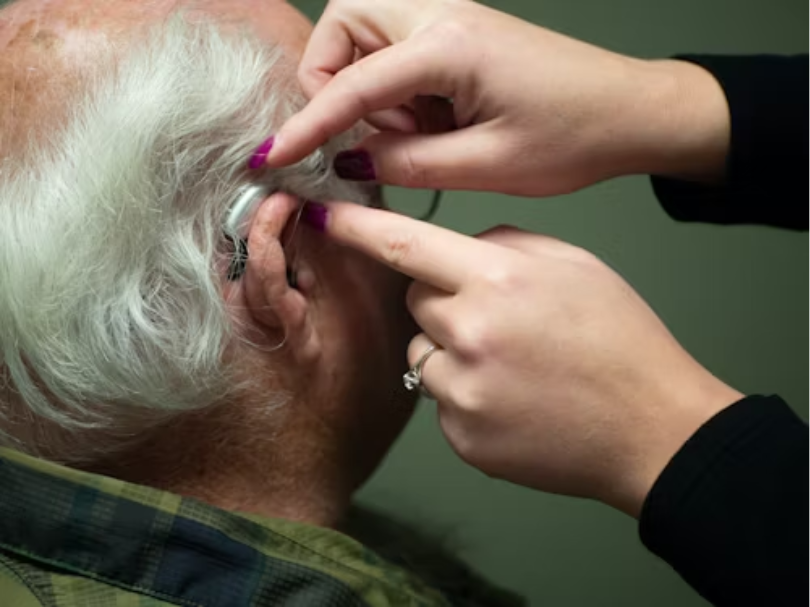
3. Cost and Insurance Coverage
Another thing to consider when thinking of getting a hearing aid is that they may also be costly. The cost may also vary depending on the type and quality of the hearing aid. For example, a simple hearing aid may be affordable, but a complex one with quality features may be costly.
Another thing to consider is the other costs that may be incurred while acquiring a hearing aid. For example, consider whether you have insurance coverage that helps cover some of the costs of acquiring a hearing aid.
There are some insurance covers that can help cater to some of the costs incurred while acquiring a hearing aid.
4. Features and Technology
Modern hearing aids are equipped with a range of advanced features designed to improve sound quality and user experience. Many devices now include Bluetooth connectivity, allowing users to stream audio directly from smartphones, televisions, and other devices. Noise reduction technology helps filter out background sounds, making conversations clearer in noisy environments.
Some hearing aids also offer directional microphones, rechargeable batteries, and smartphone apps for customization. While these features can enhance usability, it’s important to prioritize those that truly meet your daily needs rather than paying extra for unnecessary add-ons.

5. Comfort and Fit Options
Since hearing aids are worn for long periods, comfort is an important consideration. If the device fits poorly, it can lead to irritation, discomfort, or pain, resulting in the inconsistent use of the hearing aid. Hearing aids come in a variety of sizes, types, and shapes, and many can be made custom-fit for your ear.
It may take a little while to get used to the hearing aid, but getting a proper fit will ease the adjustment period. Ensuring a proper fit by consulting a professional can enhance comfort and performance.
6. Battery Life and Maintenance
Battery life is another factor that should be considered when purchasing a hearing aid. Traditional hearing aids have batteries that need to be replaced from time to time. However, advanced hearing aid technology comes with rechargeable batteries. This is advantageous, especially for people with dexterity problems.
Additionally, it is important to understand the frequency of recharging the hearing aid.

7. Trial Period and Warranty
A hearing aid is not a one-size-fits-all product, and sometimes it takes time before the right one is found. There is a trial period, which allows one to use the hearing aids in their environment.
Another factor to consider is the warranty. The warranty can give peace of mind, as one can get a replacement or repair in case something goes wrong. Be sure to understand the terms of both the trial period and warranty before making a purchase, as these can vary significantly between providers.
Final Thoughts
Making the right decision when it comes to hearing aids is a very personal matter that can have a lasting impact on your life. By taking the time to learn about the various types of hearing aids, your level of hearing loss, as well as the costs, features, comfort, and maintenance of the hearing aids, you will be able to make the right decision for your needs.
A hearing aid is not only a device that helps you hear, but it also gives you the confidence to communicate effectively with the people around you. With the right information, you will be able to make a well-thought-out decision when it comes to hearing aids.