


The letter arrives in your mailbox. Whether it’s a traffic citation you forgot about or you’re facing criminal charges, you’re already thinking about what could happen at Wadsworth Municipal Court.
The municipal court handles thousands of cases every year, from minor traffic infractions to serious misdemeanor criminal offenses.
Knowing what to expect can ease your anxiety and help you make smarter decisions about your case.
Wadsworth Municipal Court: Location and What It Handles
Wadsworth Municipal Court operates from 120 Maple Street, located inside Wadsworth’s City Hall. Judge Susana B. Lewis presides over the court, bringing years of experience handling criminal and traffic cases throughout Ohio.
The jurisdiction of the court covers several types of cases. Wadsworth Municipal Court hears cases involving:
- Traffic violations
- Criminal misdemeanors
- Civil matters within specific dollar limits
Understanding what falls under this court’s authority helps you grasp where your case fits.
Civil Cases: The court handles small claims up to $6,000 and civil cases generally up to $15,000 in its regular docket. These involve disputes between parties over money, property, or contracts.
Criminal and Traffic Matters: The bulk of cases involve misdemeanor criminal offenses and traffic violations occurring within the City of Wadsworth. These range from speeding tickets to more serious charges like assault or DUI.
Felony Cases: For felony charges, the municipal court handles felony preliminary hearings (to determine probable cause) before sending the case to the county Common Pleas court.
The case is transferred once the prosecution files appropriate paperwork.
Inside the Courthouse
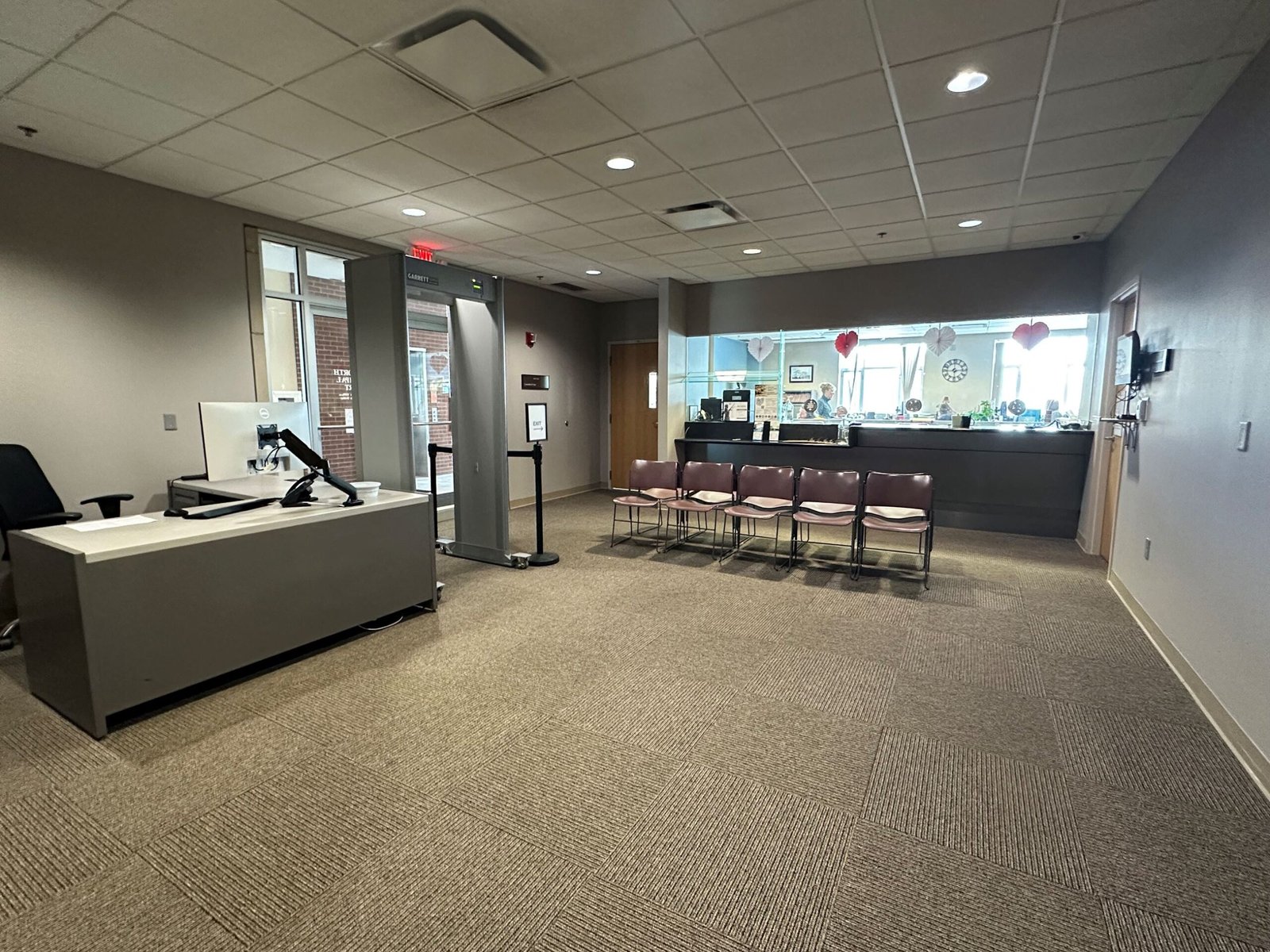
The facility provides several areas designed for court operations:
- Check-in and Security
- First window for initial check-in
- Lobby with security screening before entering
- Private Consultation Space
- Small office for confidential attorney-client discussions
- Courtroom Layout
- Gallery seating where defendants wait for cases to be called
- Jury box for jury trials
- Clerk’s Office
- Manages court filings and records
- Probation Department
- Probation officers conduct presentence investigations
- Supervises defendants on probation after conviction
The courthouse is optimized for accessibility, with designated spaces for each stage of the court process.
Types of Criminal Cases You Might Face
Criminal charges in Ohio fall into different severity levels. Wadsworth Municipal Court primarily handles misdemeanors, though it plays a role in felony case processing, too.
Misdemeanor Classifications
Ohio law establishes five misdemeanor categories, each carrying different maximum penalties under Ohio Revised Code Sections 2929.24 and 2929.28:
- First-degree misdemeanor: Up to 180 days in jail and $1,000 fine
- Second-degree misdemeanor: Up to 90 days in jail and $750 fine
- Third-degree misdemeanor: Up to 60 days in jail and $500 fine
- Fourth-degree misdemeanor: Up to 30 days in jail, and fines may exceed $250, depending on the statute
- Minor misdemeanor: Fine up to $150, no jail time
The severity of your charge determines the maximum penalties you face, though actual sentences often depend on circumstances and your criminal history.
Common Criminal Cases
The court handles various misdemeanor offenses:
- DUI: Ohio Revised Code Section 4511.19 charges carry mandatory minimum sentences and license suspension
- Assault: ORC Section 2903.13 cases range from minor altercations to serious physical harm
- Domestic Violence: ORC Section 2919.25 often involves protective orders and complex circumstances
- Drug Possession: Penalties vary based on substance type and amount
- Criminal Trespass: ORC Section 2911.21 violations
- Theft Offenses: Penalties depend on the value of property involved
Traffic Violations Handled
Basic traffic violations include speeding, distracted driving, and running red lights. These add points to your license.
More serious traffic offenses carry criminal penalties. Reckless operation, driving under suspension, and hit-and-run can result in jail time.
How Felony Cases Work
Wadsworth Municipal Court conducts preliminary hearings for felony charges. The prosecutor presents evidence, and the defendant can challenge it through witness cross-examination.
If Judge Lewis finds probable cause, the case moves to the Medina County Court of Common Pleas for trial.
What Happens After You Receive a Court Date
Your summons lists your scheduled court appearance time, the charges, and where to appear. Read every detail carefully.
Missing Your Court Appearance
Failure to appear triggers serious consequences:
- A capias is issued for your arrest
- Default judgment in civil cases
- Higher bond when eventually arrested
- Prosecutors become less willing to negotiate
Arriving at Court
Arrive at least 15 minutes early. Bring valid ID, your summons, and relevant documentation. Leave prohibited items at home.
Check in at the clerk’s office. Staff will direct you where to wait. Expect delays. The court runs on the judge’s schedule.
Inside the Courtroom
When your case is called, approach the bench and address Judge Lewis as “Your Honor.” Speak clearly and only when asked.
The prosecutor represents the state in criminal and traffic cases. You have the right to remain silent. Don’t volunteer information that could hurt your case.
Options When Facing Charges
How you handle your case depends on the charges, the evidence, and what outcome you’re seeking. You face several paths forward.
Representing Yourself
Ohio law allows self-representation, but that doesn’t make it wise. The legal system operates on complex rules of evidence and procedure. What seems like a small mistake can have major consequences.
Judges hold pro se defendants to the same standards as attorneys. Not knowing the rules isn’t an excuse. The prosecutor knows the system intimately and uses that knowledge against you.
Working With a Defense Attorney
A defense attorney brings knowledge the average person lacks. They understand how Wadsworth Municipal Court operates, how Judge Lewis handles certain types of cases, and what arguments work with local prosecutors.
What your attorney will do:
- Examine the evidence against you
- Identify procedural errors
- Build a defense strategy
- Negotiate with the prosecutor on your behalf, often securing better outcomes than you could achieve alone.
In many cases, your defense lawyer can appear in municipal court without requiring you to attend every hearing.
Resolving Your Case
Several resolution options exist beyond trial:
- Pleading Guilty: You accept responsibility and face whatever penalties the judge imposes.
- For minor offenses, this might mean paying a fine.
- More serious charges could result in jail time, probation through the probation department, and other conditions.
- Negotiating a Plea Agreement: The prosecutor may offer to reduce charges in exchange for your guilty plea.
- A first-degree misdemeanor might become a fourth-degree misdemeanor.
- This reduces potential jail time and the long-term impact on your record.
- Seeking Dismissal: If the prosecutor’s case has weaknesses, your attorney can move to dismiss charges.
- Common grounds include:
- Illegal arrest procedures
- Insufficient evidence
- Constitutional violations
- Common grounds include:
- Going to Trial: For some cases, a trial is the right choice.
- In misdemeanor criminal cases, you can request a jury trial.
- Six residents from the community hear evidence from both sides and decide your guilt or innocence.
- In misdemeanor criminal cases, you can request a jury trial.
Traffic violations typically involve bench trials where the judge alone decides.
Special Considerations for Specific Charges
DUI charges require mandatory court appearances. You cannot simply pay a fine and move on. Conviction carries license suspension, possible jail time, and significant insurance consequences.
First-time offenders may qualify for intervention programs that reduce penalties.
Cases involving potential incarceration demand serious attention. Ohio law allows defendants facing jail time to request appointed counsel if they cannot afford an attorney.
When You Absolutely Need an Attorney
Certain situations demand professional legal help:
- Facing jail time
- Prior criminal record
- Complex cases
- Protecting your future
Many Ohio attorneys handle cases throughout Medina County and the surrounding areas. They understand how Ohio Revised Code statutes apply to your situation and how local courts interpret them.
Prepare for Your Court Experience
Wadsworth Municipal Court processes criminal, traffic, and civil cases with established procedures that can feel overwhelming if you’re unfamiliar with them.
Whether you’re dealing with a speeding ticket or a serious misdemeanor offense, understanding the process reduces anxiety and helps you make informed decisions.
Know your court date. Arrive prepared. Understand your options.
Most importantly, recognize when you need help. Contact The Botnick Law Firm. Their attorneys practice throughout Ohio and understand how municipal courts operate.
This article is intended for general informational purposes only and should not be considered legal advice. Court procedures can vary, and your experience may differ based on your case. For guidance specific to your situation at Wadsworth Municipal Court, speak with a qualified attorney.