


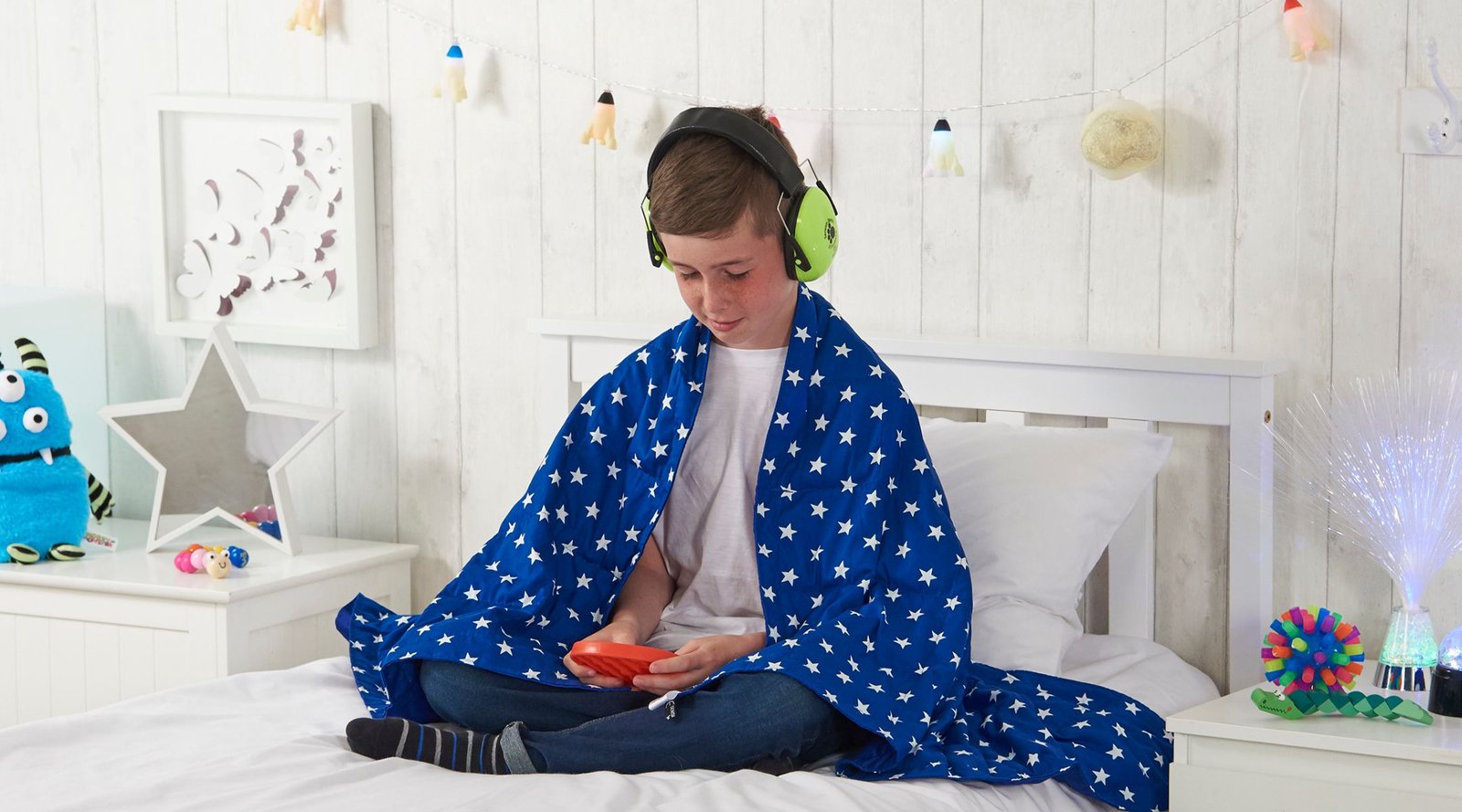
In today’s fast-paced and often overwhelming world, sensory tools have become essential resources for supporting emotional balance, focus, and relaxation. Originally developed for individuals with sensory processing challenges, these tools are now widely used by people of all ages to manage stress, improve attention, and promote overall well-being. From fidget toys and weighted blankets to sensory swings and noise-canceling headphones, sensory tools help individuals regulate their sensory input and respond more effectively to their environments. This guide explores the science behind sensory tools, their benefits, and how ABA professionals and therapists use them to support sensory integration and emotional regulation.
Understanding Sensory Tools
Sensory tools are designed to engage the body’s senses touch, sight, sound, smell, and movement—to promote calmness, alertness, or focus. These tools are particularly beneficial for individuals with Autism Spectrum Disorder (ASD), Attention Deficit Hyperactivity Disorder (ADHD), Sensory Processing Disorder (SPD), and anxiety. However, their benefits extend to anyone who experiences stress, distraction, or sensory overload.
The human nervous system is constantly interpreting sensory input. When it receives too much stimulation—such as loud noises or bright lights it can trigger stress or discomfort. Conversely, when sensory input is insufficient, individuals may seek additional stimulation through movement, touch, or sound. Sensory tools help balance this input by providing structured, controlled sensory feedback that satisfies the brain’s need for regulation.
For instance, squeezing a stress ball during a long meeting, wrapping up in a weighted blanket before sleep, or using a fidget cube while studying all serve the same purpose: giving the nervous system a calming and organizing signal. ABA professionals (Applied Behavior Analysis specialists) often use these tools in therapy sessions to help clients self-regulate, focus, and manage transitions more effectively.
The Science of Sensory Regulation
Sensory regulation refers to the body’s ability to respond appropriately to sensory information. Everyone experiences sensory regulation challenges at times—whether it’s feeling irritated by noise, distracted by textures, or overstimulated by movement. For individuals with sensory processing difficulties, these experiences are magnified, making it harder to concentrate or stay calm.
Sensory tools work by providing the right kind of input to help balance the nervous system. This process, known as sensory integration, allows the brain to interpret and respond appropriately to stimuli. Tools that apply deep pressure, for example, activate the body’s parasympathetic nervous system, promoting relaxation. Those that provide tactile or vestibular stimulation increase alertness and engagement.
ABA professionals frequently integrate sensory tools into behavior intervention plans to support clients’ regulation and learning goals. By pairing sensory input with behavioral strategies, they can help individuals develop self-soothing techniques, improve task persistence, and reduce anxiety or frustration.
Fidget Tools: Small Devices, Big Benefits
Among the most recognizable sensory tools are fidgets, small, handheld objects that provide tactile or movement-based feedback. Examples include fidget spinners, stress balls, fidget cubes, therapy putty, and tangle toys. While these items may seem simple, their impact on concentration and emotional control can be significant.
For individuals with ADHD, fidgets offer a safe outlet for excess energy, allowing the brain to stay engaged while performing tasks that require focus. For those with anxiety, the repetitive, rhythmic motion of squeezing, spinning, or rolling a fidget can promote calmness and mindfulness.
Teachers and ABA professionals often use fidgets in classrooms or therapy sessions to help children manage restlessness and maintain attention. The key is finding the right balance between a fidget that satisfies sensory needs without distracting from the main activity. Soft textures, subtle motions, and quiet designs are ideal for school or office use.
Weighted Blankets: Deep Pressure for Deep Calm
Weighted blankets have become one of the most popular sensory tools in recent years. These blankets are filled with small beads or pellets that evenly distribute weight, creating a calming effect known as Deep Pressure Stimulation (DPS). This sensation mimics a gentle, firm hug, which helps lower stress hormones and promotes relaxation.
Research has shown that DPS increases the release of serotonin and melatonin neurotransmitters associated with happiness and sleep while decreasing cortisol, the body’s main stress hormone. As a result, weighted blankets can help improve sleep quality, reduce anxiety, and enhance emotional stability.
Many ABA professionals and occupational therapists recommend weighted blankets for children and adults who struggle with sleep disturbances, sensory sensitivities, or anxiety. The added pressure provides a feeling of security and grounding, helping users feel more in control of their bodies.
When choosing a weighted blanket, it’s best to select one that’s about 10 percent of the user’s body weight. Material and temperature control are also important cooling fabrics that work well for those who overheat easily.
Sensory Swings and Movement Tools
Movement-based sensory tools such as sensory swings, rocking chairs, and balance boards stimulate the vestibular system, the part of the body responsible for balance and spatial awareness. This type of sensory input is vital for developing coordination and motor planning.
Sensory swings, commonly found in therapy centers, provide gentle back-and-forth motion that helps calm the nervous system. They can also be used to improve body awareness and focus. Similarly, balance boards and wobble cushions allow for subtle movement while sitting, which keeps the body engaged and the mind alert.
In clinical settings, ABA professionals often use these tools to help children who are either under-responsive or over-responsive to movement. For some, swinging or rocking provides the stimulation needed to stay focused; for others, it offers a soothing way to unwind and prepare for tasks.
Beyond Fidgets and Blankets: Other Sensory Tools
The world of sensory tools extends far beyond fidgets and blankets. Aromatherapy diffusers that emit calming scents like lavender or eucalyptus engage the olfactory sense and promote relaxation. Visual tools like lava lamps, fiber optic lights, or bubble tubes provide mesmerizing visual input that helps users de-stress and focus.
For those sensitive to sound, noise-canceling headphones and white noise machines create auditory boundaries that reduce overstimulation. Meanwhile, tactile items like sensory mats, textured gloves, or kinetic sand provide hands-on engagement for individuals who crave touch-based feedback.
Even oral sensory tools such as chewable necklaces or pencil toppers help users manage oral fixation and self-soothe discreetly. Each of these tools targets specific sensory needs, contributing to overall regulation and comfort.
Benefits of Sensory Tools for Emotional and Cognitive Health
The benefits of sensory tools go well beyond immediate comfort. Regular use can lead to long-term improvements in emotional regulation, focus, and productivity. For children, sensory tools can make a significant difference in classroom participation, helping them manage transitions and remain attentive. For adults, they can enhance workplace performance by reducing stress and improving concentration.
Sensory tools also foster independence. Instead of relying solely on external intervention, individuals learn to recognize their sensory needs and use tools proactively. This empowerment builds confidence and self-awareness key factors in emotional development and resilience.
ABA professionals and occupational therapists often emphasize this aspect of sensory tool use in therapy. By teaching clients how to self-regulate, they enable them to carry these strategies into everyday life, creating sustainable progress.
Selecting the Right Sensory Tools
Choosing the most effective sensory tools involves understanding personal sensory preferences and goals. Some individuals benefit from calming inputs like soft textures, deep pressure, or gentle movement. Others require stimulating input such as bright colors, vibrations, or fast-paced movement to maintain alertness.
It’s essential to experiment and observe how different tools affect focus, mood, and comfort. Consulting with ABA professionals or occupational therapists can help identify the right combination of tools for each person’s sensory profile. They can also provide guidance on how to use these tools appropriately when to introduce them, how long to use them, and how to integrate them into daily routines without dependency.
Safety and quality should always be top priorities. Sensory tools should be made from non-toxic, durable materials and designed for the appropriate age group. Overuse should also be avoided; these tools are meant to support regulation, not replace coping strategies or therapy.
Conclusion
Sensory tools such as fidgets, weighted blankets, and movement aids offer more than comfort; they empower individuals to take control of their sensory experiences and emotional well-being. Whether in schools, workplaces, or homes, these tools create environments that support calmness, focus, and balance.
With the guidance of ABA professionals, sensory tools can become powerful components of personalized sensory plans, helping individuals of all ages build self-regulation skills and thrive in a world full of sensory demands. As awareness continues to grow, integrating sensory tools into daily life will not only enhance productivity but also promote genuine emotional harmony and overall quality of life.