


Introduction
Cartoon animation has become one of the most popular forms of digital content across the world. From social media videos to professional animated films, animation plays a powerful role in storytelling, marketing, and entertainment. If you are a beginner or someone who wants to improve their skills, learning how to make cartoon animations can open many creative and professional opportunities.
In this article, you will learn step-by-step methods, tools, and strategies to create engaging cartoon animations, even if you have no prior experience.
Understanding Cartoon Animation Basics
Before diving into the process, it is important to understand what cartoon animation actually is. Cartoon animation involves creating moving images by displaying a sequence of drawings, models, or digital frames. These frames, when played rapidly, create the illusion of motion.
There are different types of animation styles, including 2D animation, 3D animation, and motion graphics. For beginners, 2D animation is often the easiest starting point when learning how to make cartoon animations.
Step 1: Create a Clear Story Idea
Every great animation starts with a strong idea. Think about the message or story you want to convey. It could be funny, educational, emotional, or promotional.
Ask yourself:
- Who are the characters?
- What is the main conflict?
- What is the ending?
A simple and clear storyline will make your animation more engaging and easier to produce.
Step 2: Design Your Characters
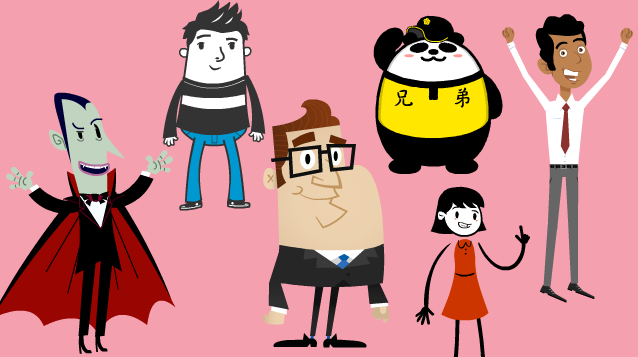
Character design is a crucial step in animation. Your characters should be visually appealing and match the tone of your story.
Start by sketching your characters on paper or using digital tools. Focus on:
- Facial expressions
- Body shape
- Clothing style
If you are not confident in drawing, many animation software programs provide ready-made character templates, which can help beginners learning how to make cartoon animations quickly.
Step 3: Write a Script and Storyboard
Once your idea and characters are ready, write a script that includes dialogues and scene descriptions. After that, create a storyboard.
A storyboard is a sequence of drawings that represent each scene of your animation. It acts as a visual guide and helps you plan camera angles, character movements, and timing.
This step is essential because it prevents confusion later during the animation process.
Step 4: Choose the Right Animation Software
Selecting the right software is key to success. There are many tools available depending on your skill level and budget.
Some popular options include:
- Beginner-friendly animation tools
- Professional-grade animation software
- Mobile animation apps
Choose software that offers easy controls, pre-built assets, and tutorials. This will make the process of learning how to make cartoon animations much smoother.
Step 5: Start Animating Your Scenes
Now comes the most exciting part—animation. Begin by creating basic movements for your characters. This includes walking, talking, and simple gestures.
Focus on:
- Smooth transitions between frames
- Natural character movement
- Proper timing and spacing
Start with short scenes and gradually build longer animations as your skills improve.
Step 6: Add Voice and Sound Effects
Sound plays a vital role in making your animation engaging. Add voiceovers for characters and include background music or sound effects.
You can record your own voice or use professional voice actors. Make sure the audio is clear and synchronized with the animation.
Good sound design can significantly enhance the overall quality of your cartoon animation.
Step 7: Edit and Finalize Your Animation
After completing your animation, review it carefully. Look for:
- Timing issues
- Audio mismatches
- Visual errors
Make necessary edits and improvements. Once everything looks perfect, export your animation in high quality.
This final step ensures that your project is polished and ready for sharing.
Tips to Improve Your Animation Skills
If you want to master how to make cartoon animations, consider the following tips:
- Practice regularly to improve your skills
- Study existing animations for inspiration
- Learn basic animation principles like timing and squash and stretch
- Keep your animations simple at the beginning
- Experiment with different styles and techniques
Consistency and creativity are the keys to becoming a successful animator.
Common Mistakes to Avoid
Many beginners make mistakes that can affect the quality of their animations. Avoid these common errors:
- Overcomplicating the story
- Ignoring character consistency
- Using poor audio quality
- Skipping the storyboard phase
- Rushing the animation process
By avoiding these mistakes, you can create more professional and engaging animations.
Conclusion
Learning how to make cartoon animations is an exciting journey that combines creativity, storytelling, and technical skills. With the right approach, tools, and practice, anyone can create impressive animated content.
Start with simple ideas, use beginner-friendly tools, and gradually improve your skills over time. Whether you want to create animations for fun, education, or business, mastering how to make cartoon animations can help you stand out in today’s digital world.
Stay patient, keep practicing, and enjoy the process of bringing your ideas to life through animation.