


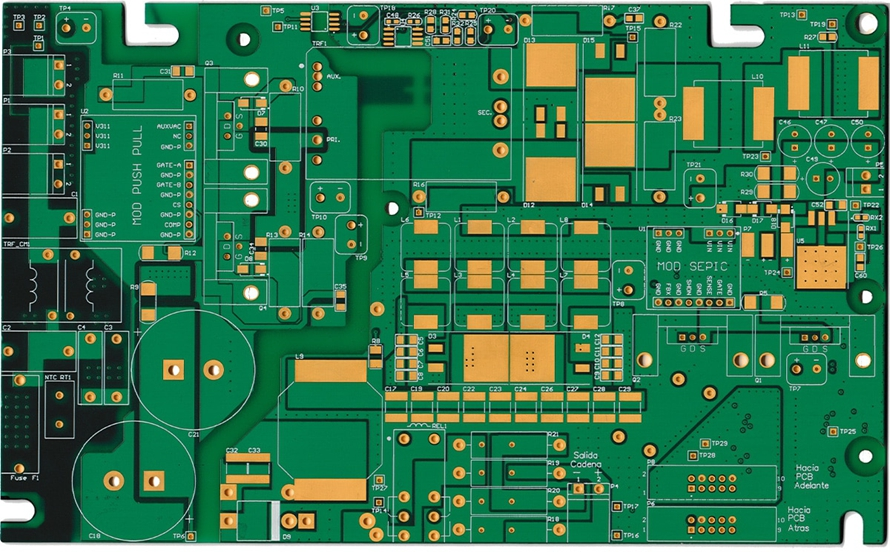
A Polyimide PCB is designed for applications where high temperature resistance, mechanical flexibility, and long-term reliability are critical. Unlike standard FR4 boards, polyimide-based circuit boards can operate in harsh environments without losing structural integrity or electrical performance. Because of these advanced properties, polyimide PCBs are widely used in aerospace, automotive, medical, and industrial electronics.
As electronic systems become more compact and more powerful, the demand for materials that can withstand extreme heat and mechanical stress continues to grow. Working with a reliable Polyimide PCB manufacturer ensures that these high-performance requirements are consistently met.
What Is a Polyimide PCB?
A Polyimide PCB is a printed circuit board that uses polyimide resin as the base substrate material instead of traditional epoxy-based laminates like FR4. Polyimide is a high-temperature polymer known for its excellent thermal stability, chemical resistance, and mechanical durability.
Polyimide materials maintain their electrical and physical properties even under continuous exposure to elevated temperatures. While standard FR4 materials typically have a glass transition temperature between 130°C and 180°C, polyimide substrates can withstand significantly higher temperatures, often exceeding 250°C.
Polyimide PCBs are available in rigid, flexible, and rigid-flex configurations. Flexible polyimide boards are particularly popular in compact devices where space-saving and bending capability are required.
Key Properties of Polyimide PCB
The primary advantage of a Polyimide PCB is its superior thermal resistance. These boards can endure high-temperature soldering processes and long-term operation in heat-intensive environments without warping or delaminating.
Mechanical flexibility is another important feature. Polyimide films are thin and flexible, making them ideal for flexible circuits used in wearable electronics, automotive sensors, and aerospace instrumentation.
Polyimide materials also offer strong chemical resistance, allowing boards to perform reliably in industrial environments exposed to solvents, fuels, or corrosive substances.
Additionally, Polyimide PCBs demonstrate good dielectric properties and electrical insulation, ensuring stable signal transmission even in high-speed or high-frequency applications.
Types of Polyimide PCB
Polyimide PCBs are available in multiple configurations depending on application requirements.
Rigid polyimide boards are similar in structure to standard rigid PCBs but use polyimide resin instead of epoxy. They are ideal for high-temperature industrial and automotive systems.
Flexible polyimide PCBs are made using thin polyimide films that allow the circuit to bend or fold. These are commonly used in compact devices such as cameras, medical probes, and wearable electronics.
Rigid-flex polyimide PCBs combine rigid sections and flexible layers within a single board, offering design versatility and reducing the need for connectors and cables. This configuration improves reliability in applications subject to vibration and movement.
Polyimide PCB Manufacturing Process
The manufacturing process for a Polyimide PCB is similar to that of other printed circuit boards but requires specialized handling due to the material’s properties.
The process begins with circuit design and preparation of manufacturing files. Polyimide laminate sheets are prepared with copper cladding. Inner layers are imaged and etched to form circuit patterns, and multilayer boards are laminated under controlled heat and pressure.
Drilling creates vias and component holes, followed by copper plating to establish electrical connections between layers. Because polyimide materials are more heat-resistant and sometimes more flexible than FR4, drilling and lamination parameters must be precisely controlled.
After outer layer imaging and etching, solder mask and surface finishes such as ENIG or immersion silver are applied. Each Polyimide PCB undergoes electrical testing and inspection to ensure there are no defects before shipment.
An experienced Polyimide PCB manufacturer understands how to manage the material’s thermal expansion characteristics and maintain tight dimensional tolerances during production.
Applications of Polyimide PCB
Polyimide PCBs are widely used in industries that demand durability and high performance.
In aerospace systems, polyimide boards are used in avionics, radar systems, and satellite electronics because they can withstand extreme temperature fluctuations and mechanical stress.
In automotive electronics, they are used in engine control units, transmission systems, and advanced driver-assistance systems where high operating temperatures are common.
Medical devices also benefit from polyimide PCBs, particularly in diagnostic equipment and implantable devices that require reliability and compact design.
Industrial machinery, oil and gas equipment, and military systems rely on Polyimide PCBs for their ability to operate in harsh chemical and thermal environments.
Flexible polyimide circuits are frequently used in smartphones, cameras, and wearable devices where lightweight and space-saving designs are essential.
Advantages of Polyimide PCB
Polyimide PCBs offer several advantages over traditional epoxy-based boards. Their high thermal resistance ensures stable operation in heat-intensive environments. Their flexibility allows designers to create compact and lightweight products.
They provide excellent mechanical strength and resistance to vibration, making them suitable for automotive and aerospace applications. Their chemical resistance ensures long-term reliability in challenging industrial conditions.
Because of these benefits, Polyimide PCBs are often chosen for mission-critical systems where failure is not an option.
Limitations of Polyimide PCB
Despite their advantages, Polyimide PCBs are generally more expensive than FR4 boards. The material cost and specialized manufacturing requirements contribute to higher production expenses.
They may also require more precise processing controls, particularly in multilayer designs, to manage thermal expansion and layer alignment.
For standard consumer electronics with moderate temperature requirements, FR4 boards may be more cost-effective. However, for high-temperature or high-reliability applications, the benefits of Polyimide PCBs often outweigh the additional cost.
Choosing the Right Polyimide PCB Manufacturer
Selecting the right Polyimide PCB manufacturer is critical for achieving consistent performance and reliability.
A qualified manufacturer should have experience working with high-temperature laminates and flexible circuit materials. Advanced fabrication equipment, precision drilling systems, and controlled lamination processes are essential.
Certifications such as ISO compliance and adherence to IPC standards demonstrate commitment to quality management. Comprehensive testing procedures, including electrical testing and inspection, reduce the risk of defects.
Technical expertise is especially important when designing rigid-flex or multilayer polyimide boards. A knowledgeable Polyimide PCB manufacturer can provide design-for-manufacturability feedback to improve yields and reduce production risks.
Production capacity and reliable delivery timelines should also be evaluated, particularly for industries with strict supply chain requirements.
Future Trends in Polyimide PCB Technology
As electronic devices continue to demand higher performance and smaller form factors, Polyimide PCB technology is evolving. Thinner flexible circuits, improved high-temperature laminates, and advanced multilayer configurations are enabling more compact and powerful designs.
The growth of electric vehicles, aerospace advancements, and wearable medical technology is increasing demand for polyimide-based boards. Manufacturers are also investing in automation and smart manufacturing systems to enhance quality and efficiency.
Environmental considerations are encouraging the development of more sustainable production processes while maintaining high performance standards.
Conclusion
A Polyimide PCB is an advanced circuit board solution designed for high-temperature, high-reliability, and flexible applications. Its superior thermal stability, mechanical durability, and chemical resistance make it ideal for aerospace, automotive, medical, and industrial systems.
While it may cost more than standard substrates, the long-term reliability and performance benefits justify the investment in demanding environments. Partnering with an experienced Polyimide PCB manufacturer ensures consistent fabrication quality, strict inspection standards, and dependable delivery schedules.
For projects that require exceptional durability and performance under extreme conditions, choosing a professional Polyimide PCB manufacturer is a strategic decision that supports innovation, reliability, and long-term success.