


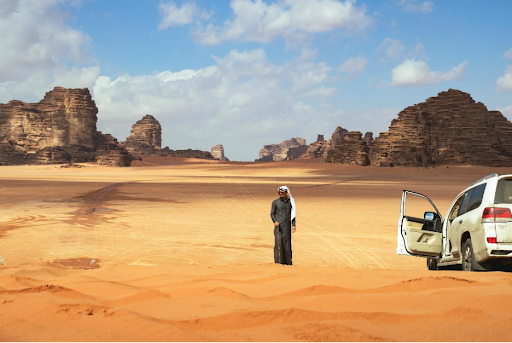
Saudi Arabia, being the kingdom that is rich in history and civilization, is moving towards making progress in the tourism sector. There was a time when Saudi Arabia was only known for its religious significance and only allowed the pilgrims to visit the kingdom. Over the past few years, Saudi Arabia has started investing in the tourism sector and is working on big projects like the Red Sea project and the city of NEOM. The advancement of the other Gulf countries in the sector of tourism has encouraged Saudi Arabia to focus on boosting the promising sector of tourism. The Saudi Vision 2030 project is a strategic plan for working in the tourism sector’s development.
It is the best time for families to plan their vacation if they want to travel in the coming year and explore the tourism sector of the Kingdom of Saudi Arabia. The number one reason why families travel to Saudi Arabia is for the pilgrimage purpose. Traveling with kids for Umrah is already a quite challenging task, and then planning the itinerary and choosing the best restaurants is a hassle in itself. This is where the all-inclusive Umrah packages come in handy and aid you in managing everything with efficiency and precision. It will also aid one in managing the itinerary according to their own liking and exploring the latest mega projects and rich heritage during your trip. Amalgamating the heritage and innovation is quite challenging, but Saudi Arabia has managed to achieve that through their Saudi Vision 2030 project with several initiatives. This article is a brief guide on these initiatives and how they have changed the tourism sector for good.
1.Divehood Platform
Diving in the deep oceans has always been a popular sport among the tourists that visit the coastal regions of the kingdom. An ambitious dream came into existence within the depths of the ocean as a platform was established that connects the underwater adventure enthusiasts with both local and international diving services that provide the diving exploration for people who are fond of exploring the underwater world.
2.Smart cities harmonizing with Saudi history
The initiative of the construction of smart cities in NEOM is at the heart of Saudi Arabia’s Vision 2030. The advent of such cities brings together the sustainability, automation, and cultural heritage of the kingdom. The smart city comprises almost 900 heritage sites, which also include the Nabataean tombs, cultural landmarks, and ancient inscriptions. The main difference between the traditional tour experience and NEOM’s version is that NEOM makes it interactive, and one will be able to experience it through the immersive storytelling, digital reconstructions, and guided smart tours.
3.Effect of developments like Diriyah and AlUla on Saudi Arabia
Sites like Diriyah and AlUla give Saudi Arabia a clear edge when it comes to attracting tourists. These two sites are rich in culture and history, which attracts a lot of tourists, archeologists, and research enthusiasts each year. As the UK is one of the countries that is most visited by the Arabs, it is only fair that the Kingdom of Saudi Arabia also wants to welcome them in order to discover the heritage and modern-day wonders of the kingdom. The easy way to visit Saudi Arabia from the UK is by booking an Umrah package, such as Birmingham Umrah packages that one can personalize conveniently. Saudi Arabia is lately on a mission to create immersive, technologically enabled, and sustainably developed heritage destinations. The general access to the cultural landmarks, historical sites, and exhibitions is expected to remain priced at a competitive scale so that it is accessible to the domestic as well as international participants.
4.Modern Engineering and restoration of heritage sites
Modern engineering is playing a crucial role in helping the heritage sites meet the contemporary demand of the present time. Engineering provides the tools to protect these spaces while keeping them accessible, comfortable, and inspiring for the generations that are yet to come. In Diriyah, Najdi-style courtyards and mud-brick buildings are restored with the subtle technological interventions like,
- Acoustic systems that maintain calm in the cultural venues
- Sun-shielding glazing that protects interiors
- Shading solutions that cool open areas without affecting their historic character
There are several similar approaches that are used in AlUla and Jeddah and deal with the sun and sound management systems to preserve fragile structures while enhancing the visitor experience.
Conclusion
Sustainability is central to these preservation efforts. Materials and solutions that are ideal in reducing the energy consumption and protecting delicate interiors are increasingly applied across heritage projects. Several mineral-based acoustic panels, eco-certified shading systems, and climate-responsive glazing all help these heritage buildings withstand the harsh climate while remaining true to their original design.
The heritage revival of Saudi Arabia demonstrates that tradition and modernity can coexist. Engineering provides the tools to protect these places while keeping them accessible, comfortable, and inspiring for the generations to come. With the help of the integration of thoughtful technology into historical sites, the kingdom of Saudi Arabia ensures that its cultural landmarks are not only preserved but also ready to thrive well into the future.