


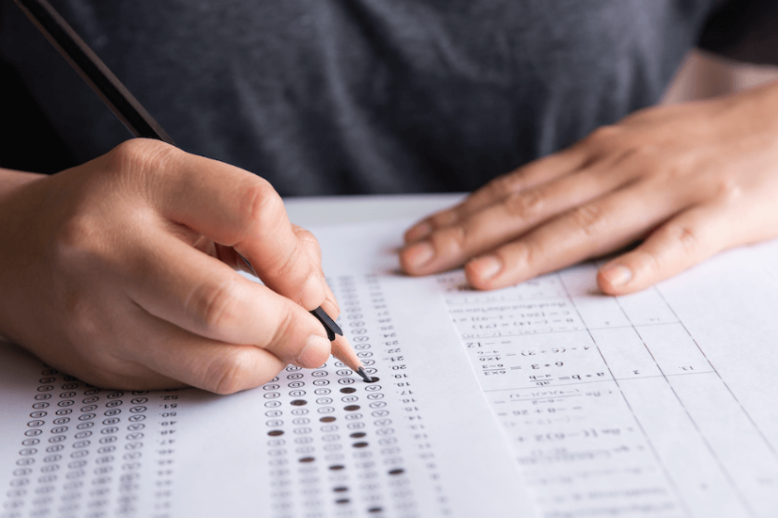
It’s a week before the Florida Bar Exam, and the library feels like a buzzing beehive. Students are scattered across tables, surrounded by stacks of outlines, highlighters, and empty coffee cups. Somewhere, someone sighs loudly, drops a pencil, and mutters, “I can’t remember the rule for that.” The fcle practice test on a laptop screen flickers in the corner, quietly reminding everyone what’s at stake.
Passing the exam isn’t just about memorizing black-letter law. It’s about rhythm, routine, and a little bit of luck. Every student develops their own quirks and strategies to stay sharp in the final stretch.
Daily Study Routines
Consistency is a secret weapon. Law students often follow daily routines that are surprisingly practical.
- Morning briefings: Reading short outlines while drinking coffee. Just enough to wake up the brain.
- Flashcard drills: Quick bursts to test memory of tricky rules. Some students swear by writing them out by hand, others use apps.
- Scheduled breaks: It sounds obvious, but stepping away every hour or two prevents the brain from shutting down completely.
The Role of Sleep and Diet
It may sound cliché, but neglecting sleep is a trap. Late-night cram sessions are tempting, but a foggy brain can undo hours of study.
- Short naps or consistent sleep schedules improve recall.
- Healthy snacks like nuts, fruit, or dark chocolate boost energy.
- Hydration is surprisingly important—water, not just coffee.
One student swore by mid-afternoon naps. “Fifteen minutes, tops,” they said. “You wake up, and the law rules make sense again.” Small lifestyle choices can amplify study efficiency more than extra hours in the library.
Mind Mapping and Visual Tools
Some students rely on diagrams, flowcharts, and color-coding to visualize complex rules.
- Contracts, torts, and procedural rules often lend themselves to charts.
- Visual memory aids help recall tricky elements under time pressure.
- Post-it notes on walls or desks become quick-access reminders.
Handling Stress and Anxiety
Even the most prepared students face panic. Stress management becomes part of the study strategy.
- Deep breathing exercises between practice questions.
- Short walks to clear the mind.
- Talking with peers or mentors to normalize anxiety.
Active Recall and Teaching Others
One surprisingly effective strategy is teaching. Explaining complex rules to someone else reinforces understanding.
- Students pair up to quiz each other.
- Creating mini “lectures” helps internalize material.
- Peer correction uncovers misunderstandings.
In Miami Beach, a student jokingly held a “mini-class” for their younger sibling, explaining constitutional law using cookies as props. It was silly, but they remembered key points better than hours of silent reading.
Balancing Study and Life
Even during intense preparation, small breaks and social interactions matter.
- Short walks or exercise sessions clear the mind.
- Quick coffee breaks or meals with friends reduce burnout.
- Celebrating small victories—finishing a topic or scoring better on a practice test—boosts morale.
One Tampa student laughed: “I rewarded myself with ice cream for every essay I finished. I probably gained five pounds, but my brain was happy.” These small indulgences make the marathon of studying sustainable.
Using Technology Wisely
Apps, timers, and flashcards aid efficiency, but distraction is always lurking.
- Focus apps block social media during study periods.
- Timed quizzes keep pacing realistic.
- Online forums provide support and perspective.
A Gainesville student admitted: “I spent one hour reading study tips online…then realized I learned nothing. Now, I stick to timed drills.” Technology helps, but human judgment still leads the way.
Personal Anecdotes
- A Miami law student swore by walking while reciting rules—movement reinforced memory.
- A Jacksonville student turned tort law into a “courtroom skit” with roommates, which made retention easier.
- Tampa students formed a “late-night chat group” for quick encouragement and sharing fcle practice test insights.
Small personal touches like these help students manage both memory and morale.
Common Mistakes and How to Avoid Them
- Over-cramming: leads to exhaustion and poor recall.
- Ignoring weak areas: they can tank a score if neglected.
- Social isolation: short breaks and support networks improve focus.
One Orlando student admitted, “I ignored evidence law for a week, thinking I had it memorized. The next practice test slapped me in the face. Never again.” Learning from mistakes is part of the process.
Wrapping Up
Florida Bar Exam prep isn’t just memorization. It’s strategy, self-awareness, routine, humor, and resilience. FCLE practice tests, mock exams, teaching others, and maintaining balance all contribute to staying sharp. Each student develops a rhythm—some walk while reciting rules, others use color-coded outlines, and some rely on mini study groups.