


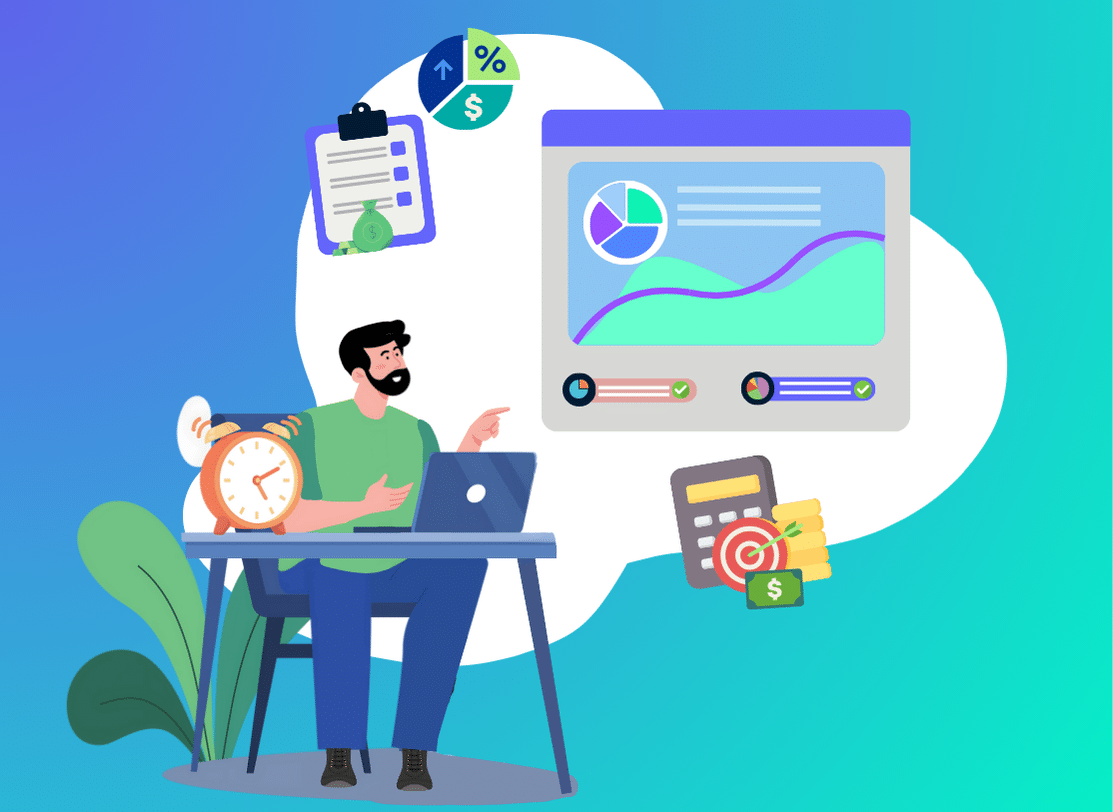
Project management rarely goes exactly as planned. Budgets stretch, and small decisions quietly snowball into expensive problems. If you’ve ever reached the end of a project and wondered, “How did we spend that much?”, you’re not alone. Cost tracking software exists precisely for this moment. When used well, it can completely change how you manage projects. Let’s break down why it matters and how it actually helps in the real world.
Why Project Costs Slip So Easily
Even well-planned projects can lose financial control. Expenses often come from multiple sources, such as labor, tools, contractors, materials, revisions, and last-minute changes. When these costs are spread across different spreadsheets, it becomes nearly impossible to see the full picture. By the time someone notices the budget problem, the money is already gone. That’s the danger of reactive management. Cost tracking software flips this around by making spending visible as it happens, not after the fact.
What Cost Tracking Software Really Does
At a basic level, cost-tracking software centralizes all project-related expenses into a single system. But the real value goes beyond bookkeeping. Modern tools link costs directly to tasks or deliverables. This means you’re seeing context more than just totals. You know which parts of the project are consuming the most resources and whether that spending actually aligns with progress. Instead of guessing where the budget is leaking, you can pinpoint the issue quickly and act before it becomes a crisis.
Real-Time Visibility = Better Control
One advantage of cost tracking software is real-time insight. You don’t have to wait for monthly reports or finance updates. Dashboards show you exactly where the project stands financially, right now. This allows project managers to make smarter, faster decisions. If a task is going over budget, you can adjust the scope or renegotiate timelines immediately.
Smarter Decisions, Not Just Tighter Budgets
Cost tracking isn’t about cutting corners or saying no to every expense. It’s about understanding trade-offs. When you can see how money is being spent, decisions become clearer. Should you outsource a task or keep it in-house? Speed up delivery or protect margins? Invest more now to reduce risk later? Instead of relying on gut instinct, you’re making choices backed by real data.
Keeping Teams Aligned Without Micromanaging
There’s a fine line between financial oversight and micromanagement. Good cost tracking software helps you walk it. Tying expenses to tasks and effort helps teams gain clarity on expectations without feeling watched. Features like time reporting make it easier to understand how effort translates into cost and improve future estimates.
Clearer Communication With Stakeholders
Budget conversations can get tense, especially when no one has a clear view of what’s happening. Cost tracking software changes the tone of those discussions. Visual dashboards and simple summaries make it easy to explain financial status without drowning people in numbers. Stakeholders can see progress and spending side by side, which keeps conversations focused on solutions rather than blame.
Final Thoughts
Cost tracking software is about staying informed, adaptable, and proactive. Projects will always change, and that’s part of the job. But losing control of costs doesn’t have to be. With the right tool in place, you spend less time firefighting and more time leading. And that’s what effective project management is really about.