


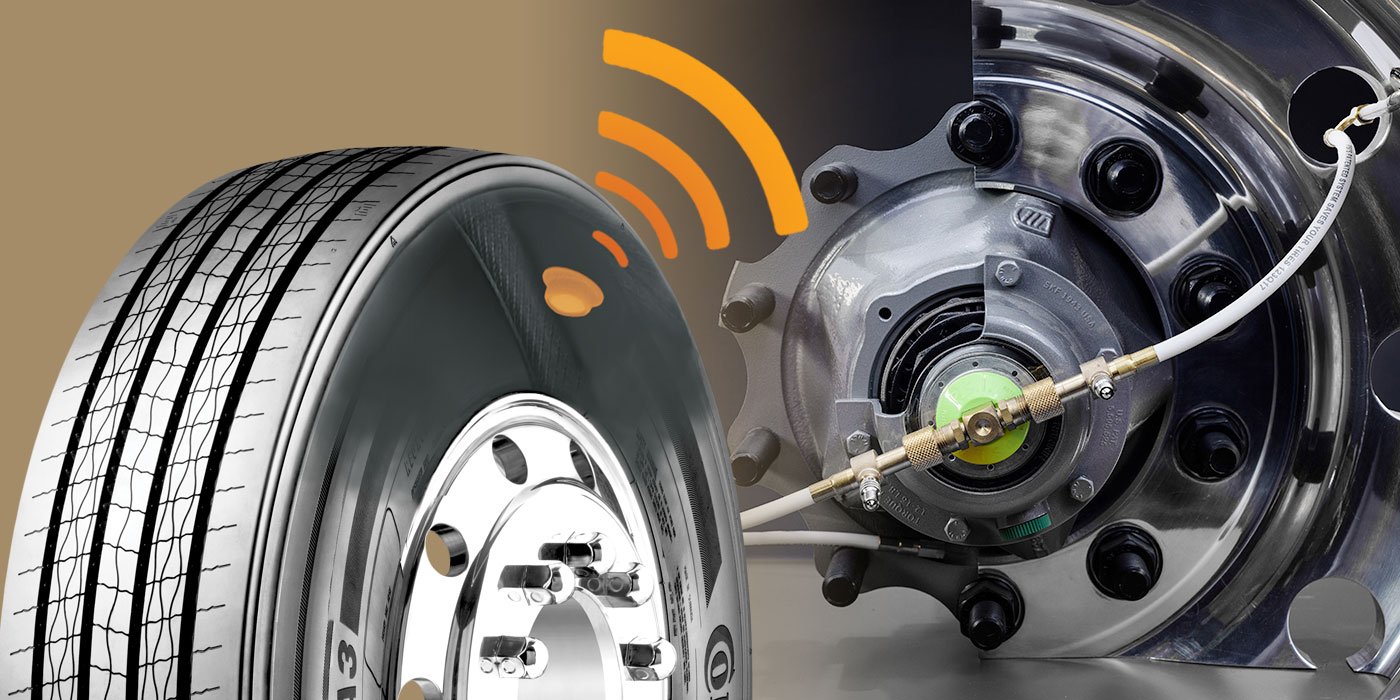
The unsung heroes of industry don’t sit in boardrooms or operate complex machinery. They are the tires that carry immense loads, navigate challenging terrains, and keep supply chains moving every single day. Industrial tires are fundamental to the operations of warehouses, construction sites, and manufacturing plants. Without them, the global economy would literally grind to a halt.
Yet, for decades, innovation in this crucial sector has been incremental. The focus has largely been on durability and cost, with little attention paid to the broader impact of tire performance on efficiency, safety, and sustainability. But that’s changing. A new generation of industrial tires is emerging, and at the forefront of this evolution is the Halo Tire.
This post will explore the significant advancements that Halo Tires bring to the industrial sector. We’ll examine how their unique design and material composition are setting new standards for performance, safety, and operational efficiency, making them a pivotal component for any forward-thinking business.
The Problem with Traditional Industrial Tires
To appreciate the innovation of Halo Tires, we first need to understand the limitations of conventional industrial tires. For years, businesses have had to choose between two main types: pneumatic and solid tires.
Pneumatic Tires
Pneumatic tires, filled with air, offer excellent cushioning, which protects both the vehicle and the operator from shocks and vibrations. This makes for a more comfortable ride and reduces wear and tear on the equipment. However, their reliance on air pressure makes them vulnerable to punctures, flats, and blowouts. A single nail or sharp piece of debris on a factory floor can bring a forklift—and the workflow it supports—to a standstill. The resulting downtime for repairs or replacements translates directly to lost productivity and increased operational costs.
Solid Tires
Solid tires were developed to solve the puncture problem. Made from solid rubber or polyurethane compounds, they are completely immune to flats. This makes them incredibly durable and long-lasting, even in the harshest environments. The trade-off, however, is a significant lack of cushioning. The ride on solid tires is harsh, transferring vibrations directly to the vehicle and the operator. This not only leads to operator fatigue and potential long-term health issues but also accelerates mechanical wear on the vehicle itself, leading to more frequent maintenance and a shorter lifespan for expensive equipment.
For decades, businesses have been forced to compromise, choosing the “lesser of two evils” for their specific application. Do you prioritize operator comfort and equipment protection at the risk of costly downtime? Or do you opt for puncture-proof reliability at the expense of a punishing ride and increased maintenance?
Introducing the Halo Tire: A Revolutionary Approach
The Halo Tire challenges the old trade-off by offering the best of both worlds. It combines the puncture-proof reliability of a solid tire with the cushioned ride of a pneumatic one. This is achieved through a groundbreaking design that rethinks the very structure of an industrial tire.
Instead of a solid block of rubber or an air-filled cavity, the Halo Tire features a unique geometric structure of apertures, or “holes,” precisely engineered into its sidewall. This network of openings allows the tire to compress and absorb impacts, effectively mimicking the cushioning effect of a pneumatic tire. The result is a smooth, stable ride that protects both the operator and the vehicle from the jarring effects of uneven surfaces.
At the same time, because the Halo Tire is made from a specialized, durable rubber compound and contains no air, it is completely immune to punctures. This eliminates the risk of flats and the associated downtime, ensuring that operations can continue uninterrupted. This innovative “aperture” design isn’t just a simple feature; it’s a fundamental shift in how industrial tires are constructed, addressing the core weaknesses of traditional designs.
Key Advantages of Switching to Halo Industrial Tires
Integrating Halo Tires into your fleet isn’t just an equipment upgrade; it’s a strategic business decision that delivers tangible benefits across your entire operation.
1. Maximized Uptime and Productivity
The most immediate benefit is the elimination of tire-related downtime. With Halo Tires, punctures, flats, and pressure checks become a thing of the past. Your vehicles stay in operation longer, directly boosting productivity. Imagine a warehouse where forklifts are always ready to go, or a construction site where loaders never stop due to a flat tire. This level of reliability ensures that deadlines are met and labor hours are utilized effectively, leading to significant cost savings and improved operational flow.
2. Enhanced Operator Safety and Comfort
A happier operator is a more productive and safer operator. The superior cushioning of Halo Tires drastically reduces the shocks and vibrations transmitted to the driver. This minimizes fatigue and discomfort during long shifts, improving focus and reducing the risk of accidents. Furthermore, by mitigating long-term exposure to whole-body vibration, Halo Tires contribute to a healthier work environment and can help reduce the incidence of musculoskeletal issues among staff.
3. Reduced Maintenance Costs
The harsh ride of traditional solid tires puts immense stress on a vehicle’s mechanical components, from the suspension and axles to the electronic systems. The cushioned design of Halo Tires absorbs these impacts before they can damage the vehicle. This leads to a noticeable reduction in wear and tear, extending the service life of expensive industrial machinery and lowering the frequency and cost of maintenance and repairs.
4. Superior Stability and Load Handling
The unique structure of Halo Tires provides exceptional stability, especially when handling heavy or uneven loads. The tire’s design ensures a larger, more consistent contact patch with the ground, improving traction and reducing sway. This enhanced stability gives operators more confidence and control, particularly when cornering or lifting loads at height, leading to safer and more efficient material handling.
The Future is Halo
Industrial tires are at the center of a rapidly evolving industrial landscape where businesses are under constant pressure to operate more efficiently, more sustainably, and with greater safety. Incremental improvements are no longer enough—true competitive advantage now comes from embracing transformative technologies and solutions that fundamentally change how work gets done.
The Halo Tire represents such a transformation for the world of industrial tires. It moves beyond the outdated compromise between pneumatic and solid tires, offering a comprehensive solution that enhances productivity, safety, and cost-efficiency. By addressing the core challenges that have plagued industrial operations for decades, Halo Tires are not just another option; they are setting a new standard for what businesses should expect from their equipment.
For any organization that relies on industrial vehicles, the choice is becoming clear. Sticking with traditional tire technology means accepting unnecessary downtime, higher maintenance costs, and compromised operator safety. Embracing the innovation of Halo Tires is an investment in a more resilient, productive, and profitable future.