


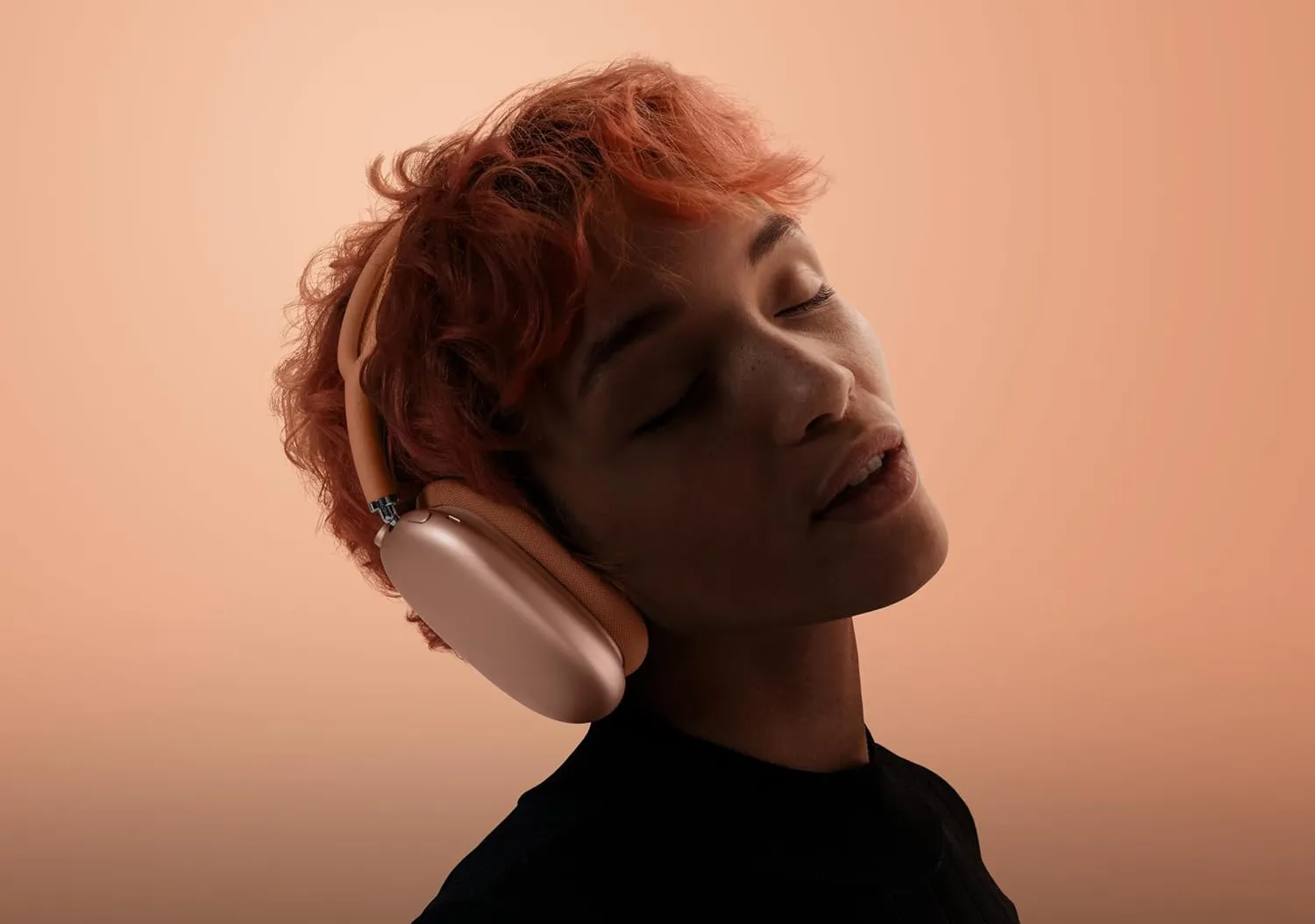
The way people listen to audio has changed dramatically over the last few years. Listening is no longer confined to leisure or entertainment. It has become part of work, movement, focus, and recovery. As routines grow more complex, the expectations placed on audio technology are evolving alongside them.
In daily life, Headphones are increasingly relied upon as tools for managing attention and energy. They help people concentrate in noisy environments, stay motivated during activity, and unwind during moments of rest. Listening now happens across many emotional states, often within the same day. Despite this, traditional audio products were never designed with such variability in mind.
For years, progress in audio focused on hardware improvements. Better drivers, cleaner output, and refined materials defined innovation. While these advances mattered, they did not address the growing gap between how people listen and how sound is delivered. A single sound profile was expected to suit every moment.
This gap is now driving a new phase of audio development.
Smarter headphones are less about raw power and more about adaptability. Software has begun to play a central role in shaping sound, allowing audio experiences to respond to context rather than remain static. Instead of being fixed at the point of purchase, sound can evolve, refine, and improve over time.
This shift mirrors changes seen across other technology sectors. Smartphones, wearables, and connected devices are no longer judged solely by their launch specifications. They are valued for how well they adapt to users over time. Audio is now entering that same category.
One of the most noticeable outcomes of smarter audio is context-aware listening. Sound that feels appropriate during focused work may not suit relaxation or physical activity. Software allows tuning to adjust subtly, supporting different states without requiring constant manual input. The experience becomes intuitive rather than controlled.
This intelligence also strengthens the relationship between listeners and music. Artists create music with emotional intent, shaping how it should feel as much as how it should sound. When playback respects that intent, listening becomes more immersive. Sound feels aligned rather than generic.
As this approach gains momentum, brands like Ronin are treating headphones as evolving platforms instead of static products. Through software, sound profiles can be refined, new listening modes can be introduced, and performance can improve over time. The result is a listening experience that grows alongside the user.
Smart audio also addresses how people move between devices throughout the day. Calls, music, and videos often shift from phone to laptop to other screens. Seamless transitions preserve focus and reduce friction, allowing listening to continue uninterrupted.
Comfort remains a critical part of this evolution. Physical comfort is essential, but psychological comfort plays an equally important role. Headphones that feel stable and predictable allow users to relax into the experience. When the device fades into the background, sound takes priority.
What makes this transformation notable is its subtlety. Smarter headphones do not demand new habits or technical knowledge. They simply align more closely with how people already live. Audio adapts rather than insists.
Looking ahead to 2026, the definition of smart audio will continue to shift. Intelligence will be measured not by complexity, but by relevance. The smartest headphones will be the ones that understand context, adapt quietly, and support everyday life without distraction.