


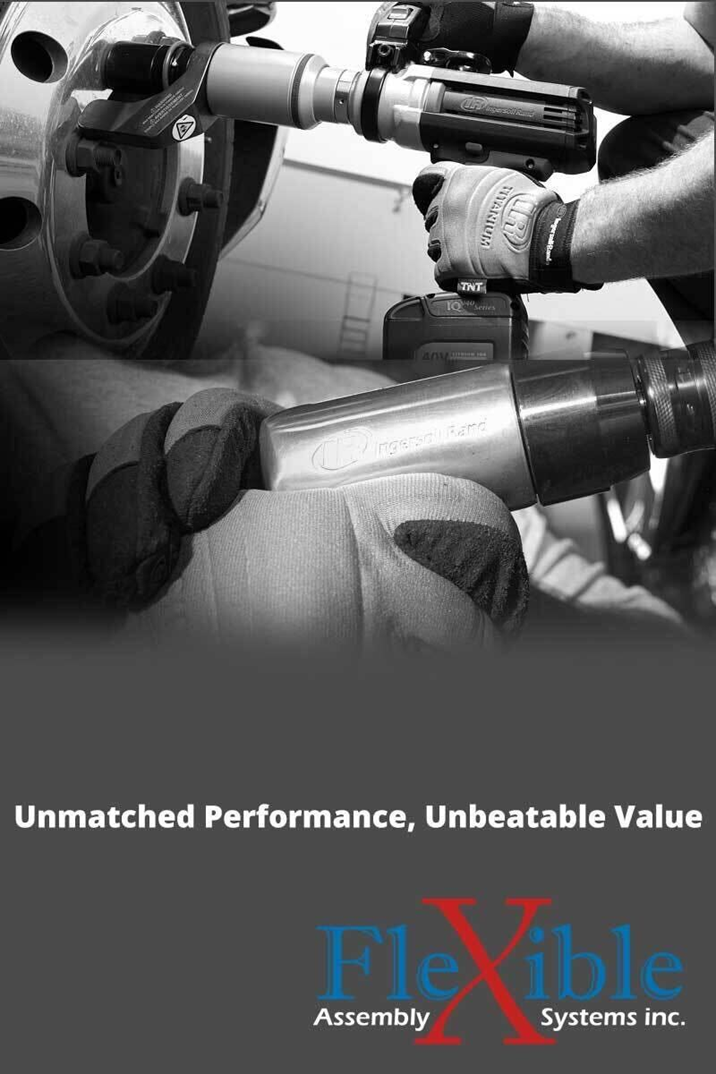
Industrial manufacturing facilities face a permanent operational dilemma when architecting their production floors. Facility managers must constantly balance the absolute need for relentless mechanical power against the critical requirement for human mobility. Heavy structural joint assembly demands massive kinetic application to secure metal frameworks perfectly. However, the mechanism that delivers this extreme force fundamentally dictates how freely your technicians can move across the active workspace. Selecting between a fixed atmospheric air grid and highly mobile decentralized chemical battery systems alters your entire internal logistical structure. We must evaluate the deep structural benefits and severe mechanical limitations of both continuous pneumatic power and advanced cordless mobility to optimize your specific manufacturing environment comprehensively.
The Architecture of Continuous Atmospheric Power
Traditional heavy industrial mass production relies entirely on constant, uninterrupted energy. When an assembly line moves a massive steel chassis forward every sixty seconds, the fastening mechanisms simply cannot pause for power replenishment. This unrelenting schedule demands a mechanical architecture capable of continuous rotational application without succumbing to thermal destruction or power degradation.
Pneumatic fluid power provides this exact relentless capability. By channeling highly pressurized atmospheric gas through central facility pipe networks, factories deliver massive kinetic potential directly to the workstation. At the core of automated and heavy-duty rotary stations, you will find robust Air Motors driving the physical payload. These internal pneumatic mechanisms channel compressed air against internal metal vanes attached to a central rotor. The sudden, violent expansion of the atmospheric gas spins the drive shaft with immense torque density.
Furthermore, pneumatic mechanisms possess a distinct mechanical advantage over standard electric drives: they can stall safely. When an air-driven motor encounters a physical structural resistance greater than its rotational force, it simply stops spinning. The compressed air continues to apply static holding pressure without generating any electrical heat. An electric motor facing the same immovable resistance would rapidly accumulate heat and destroy its internal magnetic coils within minutes. This pure mechanical resilience makes continuous pneumatic platforms the undisputed choice for heavy, stationary mass production lines where sheer relentless force dictates success.
The Severe Limitations of Physical Tethering
Despite the incredible durability and relentless power of compressed air systems, they impose a severe logistical penalty on the human operator. To access the continuous pneumatic grid, technicians must attach thick, heavy, steel-reinforced rubber hoses to their hand tools. This physical tether completely destroys workplace mobility.
The operator is permanently restricted to the immediate geometric radius of the downward air drop. If a massive structural assembly requires a specific bolt to be secured on the far opposite side of the steel chassis, the technician must drag the heavy pressurized hose across the concrete floor, navigate around other facility equipment, and fight the aggressive pulling tension of the hose while attempting to perform a delicate mechanical alignment. Additionally, dozens of thick black hoses snaking across the factory floor introduce severe daily tripping hazards, exposing the facility to massive worker compensation liabilities.
Transitioning to Absolute Physical Mobility
Modern aerospace, heavy equipment, and active field maintenance sectors cannot tolerate the severe geographic restrictions imposed by pneumatic hoses. Technicians working inside massive aircraft fuselages or constructing massive wind turbine towers require total physical freedom to navigate complex internal geometric spaces. They must access tight corners and extreme vertical elevations without dragging a tethered energy source behind them.
To achieve this absolute mobility, global industrial sectors have rapidly transitioned to advanced direct-current battery platforms. Equipping your dynamic workforce with heavy-duty Cordless Impact Wrenches completely severs the restrictive pneumatic link. These advanced electronic devices draw immense power from dense lithium-ion chemical cells attached directly to the base of the machine. Brilliant technological leaps in brushless direct-current motors allow these untethered tools to generate violent mechanical impacts that rival, and frequently exceed, the raw torque output of legacy air tools.
The operator simply places the device onto their utility belt, climbs extreme structural scaffolding, and executes heavy rotational fastening anywhere on the active site. Removing the hose completely eliminates the pulling strain against the operator’s wrist, significantly improving their ability to approach the threaded metal fastener at massive perpendicular accuracy.
Managing Decentralized Energy Decay
While cordless mobility provides supreme geometric freedom, it introduces the complex logistical burden of chemical energy management. Pneumatic power remains perfectly static; the air pressure at the beginning of the shift exactly matches the air pressure at the end of the shift. Chemical batteries, however, experience continuous energy decay the moment the operator pulls the trigger.
As the dense lithium-ion cell depletes its stored charge, the maximum kinetic output of the internal mechanical hammer can fluctuate. Modern printed circuit boards integrated into the tool attempt to regulate this decay by cutting off the power completely when the voltage drops below a critical threshold, preventing the technician from applying dangerously low torque to a critical structural joint. Facility managers must implement aggressive battery rotation schedules. You must establish centralized charging banks adjacent to the assembly zones, forcing technicians to swap depleted cells for fully charged units constantly. This continuous physical exchange introduces minor workflow interruptions that simply do not exist in a tethered pneumatic environment.
Comprehensive Matrix of Operational Parameters
Carefully evaluate the following metrics to determine which specific power architecture aligns perfectly with your immediate factory demands.
| Operational Metric | Continuous Pneumatic Grid | Decentralized Cordless Battery | Operational Metric | Continuous Pneumatic Grid |
| Mobility and Geometry | Severely Restricted | Absolute Freedom | Mobility and Geometry | Severely Restricted |
| Power Consistency | Perfect Static Output | Phased Chemical Decay | Power Consistency | Perfect Static Output |
| Initial Infrastructure Cost | Massive (Compressors, Piping) | Minimal (Charging Banks) | Initial Infrastructure Cost | Massive (Compressors, Piping) |
| Thermal Overload Risk | Zero (Air acts as coolant) | Moderate (Electrical resistance) | Thermal Overload Risk | Zero (Air acts as coolant) |
| Operator Trip Hazards | High Severity | Completely Eliminated | Operator Trip Hazards | High Severity |
The Physical Toll on the Operator
Pneumatic tools are inherently hollow. Without an internal heavy copper electric motor or a dense chemical battery pack attached to the base, the physical hand unit weighs incredibly little. This light vertical weight reduces shoulder fatigue. However, the operator must constantly fight the horizontal drag of the stiff pressurized air line.
Conversely, a cordless direct-current device is completely free of horizontal drag, allowing perfectly fluid spatial movement. However, the actual hand unit contains heavy magnetic motors and dense chemical battery cells. The operator must lift this concentrated mass hundreds of times per day, shifting the physical burden to the bicep and shoulder joints.
Managing Atmospheric Noise Pollution
Air-driven devices expel highly compressed gas into the open atmosphere after every rotational cycle. This violent, sudden gaseous expansion creates a continuous, deafening auditory shriek across the entire facility floor, demanding aggressive hearing protection protocols. Advanced cordless electronic motors spin silently, producing only the localized metallic sound of the internal hammer striking the anvil, drastically reducing the total acoustic pollution burden on your dedicated workforce.
Fixed Assembly Lines vs Dynamic Sectors
If your facility manufactures standardized automotive engines moving continuously down a single rigid conveyor belt, the operators never need to walk more than three feet from their designated station. In this hyper-static environment, the extreme mobility of a battery-powered tool provides zero actual benefit, while its chemical charging requirements introduce unnecessary logistical steps. Here, suspended pneumatic power reigns supreme.
If your facility operates a dynamic heavy-equipment maintenance yard where technicians must walk hundreds of yards between massive earth-moving tractors, routing dedicated air pipes to every possible physical location is financially catastrophic. In these expansive scenarios, the cordless battery platform becomes the only viable mechanical solution to achieve systemic efficiency.
Engineering Hybrid Manufacturing Environments
The most advanced industrial facilities do not brutally restrict themselves to a single power methodology. Supreme operational efficiency requires deploying the exact proper architecture to the specific localized task. Intelligent facility engineers combine both fluid power and chemical battery power into a seamlessly integrated hybrid floorplan.
Stationary robotic cells and heavy fixed repetitive stations utilize pneumatic air motors for continuous, heat-free operation. Simultaneously, the mobile quality control inspectors and structural rework technicians navigate the exact same factory floor carrying high-output cordless impact mechanisms. This deliberate segmentation ensures that high-volume static lines never wait for battery replenishment, while dynamic repair technicians are never geographically restricted by unyielding rubber hoses.
Why Choose Flexible Assembly Systems?
Optimizing your permanent power infrastructure requires an elite mechanical integration partner. Standard supply companies lack the deep architectural knowledge required to assess massive industrial floorplans accurately. We deliver comprehensive power delivery solutions designed exactly for your specific manufacturing challenges.
Our internal logistical experts analyze your complete workflow velocity, geographic space restrictions, and required kinetic outputs before making strict hardware recommendations. Our massive localized inventory features the most durable continuous pneumatic motors and the most advanced high-capacity cordless impact systems on the global market. We calibrate every single mechanical device perfectly within our proprietary metrology laboratory to guarantee absolute output precision upon delivery. Do not risk your facility throughput on inefficient power routing. Rely on our dedicated engineering staff to supply the absolute highest tier of industrial fastening hardware directly to your assembly line.
Conclusion
The fundamental battle between continuous tethered uptime and absolute physical mobility dictates the ultimate velocity of your manufacturing floor. You must meticulously evaluate the physical constraints of your specific structural product. Air-driven infrastructures provide unmatched lifespan, relentless heat-free torque, and constant output without cyclical interruptions, making them perfect for heavy static mass production. Advanced battery mechanisms shatter geographic limitations, eradicate severe trip hazards, and allow operators to conquer massive structural frames, provided you manage the chemical energy replenishment cycle strictly. Align your specific mechanical hardware choices directly with your spatial and logistical reality to achieve complete industrial dominance.