


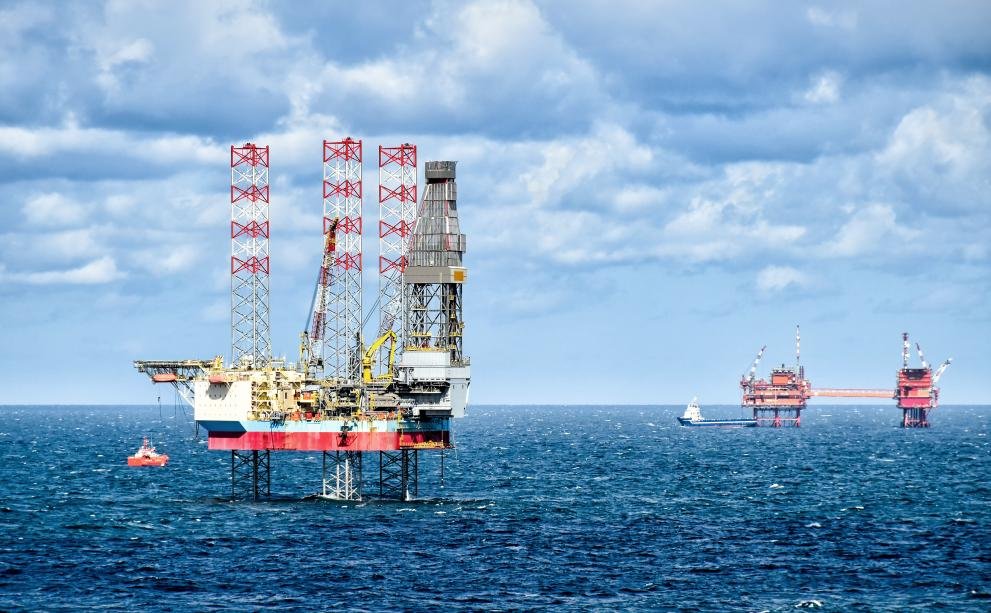
Offshore oil rigs are among the most complex industrial structures in the world. Positioned miles from shore and exposed to unpredictable marine conditions, these platforms extract oil and gas from beneath the seabed in environments that test engineering limits and human endurance. From the shallow waters of the continental shelf to deepwater fields in regions such as the North Sea and the Gulf of Mexico, offshore rigs operate around the clock to meet global energy demand.
Introduction to Offshore Oil Rigs
There are several types of offshore drilling installations, including jack-up rigs, semi-submersible platforms, and drillships. Each design is engineered to withstand harsh conditions such as high winds, strong currents, and heavy seas. However, even with advanced technology and strict safety standards, emergencies can and do occur.
The maritime industry plays a critical role in preventing, managing, and responding to offshore oil rig emergencies. From standby rescue vessels to coordinated international response frameworks, maritime stakeholders form the backbone of offshore emergency preparedness and action.
Understanding Offshore Oil Rig Emergencies
Offshore oil rig emergencies can arise from a variety of operational, environmental, and technical factors. These incidents can escalate rapidly due to the remote location of rigs and the volatile materials involved in drilling and production.
Common types of emergencies include:
- Blowouts caused by uncontrolled release of hydrocarbons
- Fires and explosions resulting from gas leaks
- Structural failures due to extreme weather or equipment malfunction
- Collisions with supply vessels or drifting objects
- Medical emergencies involving crew members
- Oil spills that threaten marine ecosystems
The tragic events aboard the Deepwater Horizon drilling rig in 2010 remain a stark reminder of the risks involved in offshore drilling. The explosion and subsequent spill led to significant environmental and economic damage. The incident prompted sweeping regulatory changes and strengthened global safety protocols. The U.S. government’s response and lessons learned are documented by the Bureau of Safety and Environmental Enforcement, which oversees offshore energy safety in federal waters.
Modern offshore operations now rely on layered safety systems, real-time monitoring technologies, and highly trained personnel. However, when prevention fails, a rapid and coordinated maritime response becomes essential.
Why Quick Maritime Response Is Critical
Time is the most important factor in any offshore emergency. Unlike land-based facilities, offshore rigs are often located dozens or even hundreds of nautical miles from the nearest port. Delayed response can lead to:
- Loss of life
- Escalating environmental damage
- Greater structural destruction
- Disruption of shipping lanes
- Long-term financial and reputational harm
The ocean environment adds complexity. Weather conditions can deteriorate quickly. High seas can restrict vessel access. Helicopter evacuation may be limited by visibility or wind speeds.
A swift maritime response reduces the scale and severity of the incident. Rescue vessels can evacuate injured personnel, firefighting ships can suppress flames, and oil spill response teams can deploy containment booms and skimmers. Early containment is often the difference between a localized incident and a large-scale disaster.
International frameworks such as the International Convention on Maritime Search and Rescue, coordinated by the International Maritime Organization help ensure that coastal states maintain structured search and rescue services. These agreements improve cross-border coordination when emergencies occur in international waters.
The Role of Maritime Rescue and Support Vessels
A network of specialized maritime vessels stands ready to respond to offshore emergencies. These vessels are strategically positioned near offshore fields and operate under strict standby requirements.
Standby Safety Vessels
Standby vessels remain near drilling installations to provide immediate assistance. Their primary responsibilities include:
- Rescuing personnel who abandon the platform
- Recovering individuals from the water
- Providing first aid and medical care
- Acting as communication hubs during incidents
These vessels are equipped with fast rescue craft, firefighting monitors, and advanced navigation systems.
Offshore Supply Vessels
Offshore supply vessels transport equipment, fuel, and supplies to rigs. During emergencies, they can assist with evacuation, logistical support, and equipment delivery. Their familiarity with the installation layout makes them valuable assets in crisis situations.
Emergency Response and Rescue Vessels
Some regions deploy dedicated emergency response and rescue vessels. These ships feature:
- Advanced firefighting systems
- Oil spill containment gear
- Medical facilities
- Dynamic positioning systems to maintain station in rough seas
Helicopter Support
Although not maritime vessels, helicopters operate in coordination with maritime rescue units. They provide rapid medical evacuation and aerial assessment of damage. Coordination between air and sea assets is essential for effective response.
How the Maritime Industry Responds to Offshore Oil Rig Emergencies
The response to an offshore oil rig emergency follows a structured process. While each situation is unique, several core steps are common across incidents.
1. Immediate Incident Detection and Alarm
Modern rigs use advanced sensors and monitoring systems to detect pressure anomalies, gas leaks, and structural stress. Once an emergency is identified, alarms are triggered, and the crew initiates established emergency procedures.
Simultaneously, maritime authorities, coast guards, and standby vessels are notified.
2. Activation of Emergency Response Plans
Every offshore operator is required to maintain a detailed emergency response plan. These plans outline:
- Chain of command
- Communication protocols
- Evacuation procedures
- Coordination with maritime authorities
Maritime coordination centers assume operational control for search and rescue if evacuation becomes necessary.
3. Evacuation of Personnel
If the platform becomes unsafe, evacuation begins. This may involve:
- Lifeboats launched into the sea
- Transfer to standby vessels
- Helicopter evacuation for critical cases
Standby vessels maintain safe distance while remaining close enough to retrieve lifeboats and survivors. Crew accountability is carefully managed to ensure no personnel are left behind.
4. Firefighting and Containment
Specialized vessels equipped with high-capacity water cannons may approach the installation to control fires. These ships can pump seawater at high pressure to cool structures and suppress flames.
In the event of an oil spill, containment booms are deployed to limit the spread. Skimming vessels remove oil from the surface, and dispersants may be applied depending on environmental regulations.
5. Environmental Protection Measures
Environmental agencies and maritime authorities collaborate to protect sensitive coastal areas. Monitoring aircraft track oil movement. Shoreline protection teams prepare defensive barriers.
Coordination between offshore operators, maritime agencies, and port authorities becomes critical. Reliable port agency services can expedite vessel clearance, coordinate equipment delivery, and streamline communication. The importance of this support is explored in detail in Why Reliable Port Agency Support Matters in Today’s Maritime Industry.
6. Post-Incident Investigation and Recovery
Once the immediate threat is stabilized, maritime authorities conduct investigations to determine the cause. Salvage operations may be required to secure damaged structures. Recovery efforts often extend for months.
Data collection and financial coordination also play a role in long-term recovery. Digital systems, including specialized operational software platforms, are increasingly used to manage complex workflows and documentation. For example, solutions such as microfinance software, illustrate how digital tools can streamline financial oversight in complex industries. Similar technological frameworks support maritime operators in managing risk, compliance, and compensation processes.
Technology and Innovation in Emergency Response
Advances in maritime technology have significantly improved offshore emergency management.
Key innovations include:
- Real-time satellite tracking of vessels
- Unmanned aerial vehicles for rapid assessment
- Autonomous underwater vehicles to inspect subsea infrastructure
- Enhanced dynamic positioning systems
- Integrated communication networks connecting ships, rigs, and onshore command centers
Artificial intelligence is increasingly used to predict equipment failure and identify anomalies before they escalate into emergencies. Predictive maintenance reduces the likelihood of catastrophic incidents.
Digital twins of offshore platforms allow operators to simulate emergency scenarios and refine response strategies. These technologies strengthen collaboration between maritime operators, regulators, and offshore energy companies.
Regulatory Oversight and International Cooperation
Offshore oil and gas operations are subject to strict international and national regulations. Agencies such as coast guards, maritime administrations, and environmental authorities oversee compliance.
International cooperation is particularly important in offshore regions where operations span multiple jurisdictions. Joint exercises between maritime rescue agencies ensure readiness for large-scale incidents.
After major incidents, regulatory frameworks are often strengthened. Enhanced training requirements, stricter equipment standards, and more rigorous inspection regimes have emerged as direct responses to past disasters.
Conclusion
Offshore oil rig operations represent one of the most challenging industrial environments on Earth. The risks associated with drilling in deepwater and remote marine locations require meticulous planning and coordination.
When emergencies occur, the maritime industry becomes the central pillar of response. Standby vessels, rescue ships, port agencies, coast guards, and international regulators work together to protect lives, limit environmental damage, and stabilize operations.
Rapid response is not simply a matter of logistics. It is a coordinated effort involving advanced technology, trained professionals, regulatory oversight, and global cooperation. As offshore energy exploration continues, the maritime sector will remain indispensable in ensuring that when crises arise, they are met with speed, precision, and resilience.
Frequently Asked Questions
What causes emergencies on offshore oil rigs?
Emergencies on offshore oil rigs can be caused by equipment failure, human error, extreme weather conditions, gas leaks, structural damage, or uncontrolled pressure during drilling operations. Blowouts and fires are among the most serious risks due to the flammable nature of hydrocarbons.
How are offshore rig crews evacuated during emergencies?
Crew evacuation may occur via lifeboats, standby rescue vessels, or helicopters. The method depends on weather conditions, severity of the incident, and proximity to shore. Maritime coordination centers oversee search and rescue operations to ensure all personnel are safely accounted for.
Who oversees emergency response operations at sea?
Emergency response operations are typically overseen by national maritime authorities or coast guards. International coordination may involve organizations such as the International Maritime Organization. Offshore operators also maintain internal emergency response teams that work alongside maritime agencies to manage incidents effectively.