


In industrial manufacturing, your equipment reliability depends on countless variables, but few are as underestimated—or as damaging—as oil contamination. You may invest heavily in precision machinery, predictive maintenance, and skilled technicians, yet still experience unexpected failures. In many cases, the root cause traces back to contaminated lubricating oil.
Oil is more than a lubricant. It is a load carrier, a heat transfer medium, a corrosion inhibitor, and a diagnostic signal. When contamination enters the system, every one of those functions is compromised. Understanding oil contamination, how it develops, and how it affects equipment reliability is essential if you want to reduce downtime, extend asset life, and control maintenance costs.
This article explains oil contamination from a practical, engineering-focused perspective. You will learn how it occurs, why it accelerates failure, and what you can do to control it effectively.
What Is Oil Contamination?
Oil contamination refers to the presence of unwanted substances in lubricating oil that degrade its physical, chemical, or functional properties. These contaminants interfere with lubrication performance and directly contribute to mechanical wear, corrosion, and system inefficiency.
In manufacturing environments, oil contamination is not an exception—it is an inevitability. The real question is not if contamination will occur, but how well you detect, manage, and control it.
Types of Oil Contamination You Should Monitor
Understanding the types of oil contamination helps you identify root causes and select the right corrective actions.
Particle Contamination
Solid particles are the most common and destructive form of oil contamination. These include:
- Metal wear debris
- Dust and dirt
- Sand, fibers, and process residues
Even particles smaller than the human eye can disrupt the oil film in bearings and gears. When particle size approaches the oil film thickness, surface-to-surface contact occurs, dramatically accelerating wear.
Water Contamination
Water contamination enters oil systems through condensation, leaks, or improper storage. You may encounter water in three forms:
- Dissolved water
- Emulsified water
- Free water
Water reduces lubricant film strength, promotes corrosion, and accelerates oil oxidation. In hydraulic and turbine systems, even small amounts of water contamination can cause severe reliability issues.
Chemical Contamination
Chemical oil contamination includes:
- Fuel dilution
- Process chemicals
- Cleaning agents
- Additive incompatibility
These contaminants alter oil viscosity, reduce additive effectiveness, and may attack seals or coatings. Chemical contamination is often harder to detect without proper oil analysis.
How Oil Contamination Enters Your Equipment
Oil contamination typically enters systems through predictable pathways. Recognizing these helps you prevent problems at the source.
Ingress During Operation
Breathers, seals, and vents are common entry points. Poorly sealed systems operating in dusty or humid environments are especially vulnerable.
Maintenance-Related Contamination
Oil contamination frequently occurs during:
- Oil changes
- Filter replacement
- Top-up activities
Using unclean transfer containers or failing to follow cleanliness procedures introduces contaminants directly into the system.
New Oil Is Not Always Clean Oil
Fresh oil is often assumed to be clean, but bulk oil frequently contains particle contamination from refining, transport, or storage. Without filtration before use, you may be introducing oil contamination from day one.
The Direct Impact of Oil Contamination on Equipment Reliability
Oil contamination affects reliability in ways that compound over time. What begins as minor degradation often ends in catastrophic failure.
Accelerated Component Wear
Particles in oil act as abrasive agents. They scratch surfaces, increase friction, and generate additional wear debris. This creates a self-reinforcing cycle where oil contamination continuously worsens.
Bearings, servo valves, pumps, and gears are particularly sensitive. In high-precision systems, a single contamination event can shorten component life by months or even years.
Loss of Lubrication Performance
Oil contamination disrupts viscosity and film strength. When the oil can no longer maintain separation between moving surfaces, boundary lubrication occurs, leading to rapid wear and heat generation.
Corrosion and Surface Degradation
Water contamination reacts with metal surfaces and additives, forming corrosive compounds. Over time, corrosion pits become initiation points for fatigue cracks, reducing structural integrity.
Increased Energy Consumption
Contaminated oil increases friction. Your equipment must work harder to overcome resistance, leading to higher energy usage and operating costs.
Oil Contamination and Unplanned Downtime
Unplanned downtime is one of the most expensive consequences of oil contamination. When contaminants go undetected:
- Failure occurs without warning
- Spare parts may not be available
- Production schedules are disrupted
In many reliability studies, oil contamination is linked to over 70% of hydraulic and lubrication-related failures. For you, this translates directly into lost production, safety risks, and increased maintenance spend.
The Role of Oil Analysis in Contamination Control
Oil analysis is your most powerful tool for managing oil contamination proactively.
What Oil Analysis Reveals
Routine oil analysis provides insight into:
- Particle counts and cleanliness levels
- Water content
- Wear metal trends
- Additive depletion
- Oxidation and degradation
These indicators allow you to detect oil contamination long before failure symptoms appear.
Interpreting Results for Action
Oil analysis is only valuable if you act on the data. When contamination levels exceed targets, corrective actions may include:
- Improving filtration efficiency
- Identifying ingress sources
- Changing maintenance procedures
- Drying or replacing oil
A condition-based approach helps you extend oil life while protecting equipment reliability.
Filtration Strategies to Reduce Oil Contamination
Effective filtration is central to contamination control.
Selecting the Right Filter Rating
Filters must be matched to component sensitivity. High-precision hydraulic systems often require filtration below 5 microns, while gearboxes may tolerate larger particles.
Using filters that are too coarse leaves damaging particles in circulation. Filters that are too fine may clog quickly and bypass contamination.
Filtration and Purification Systems
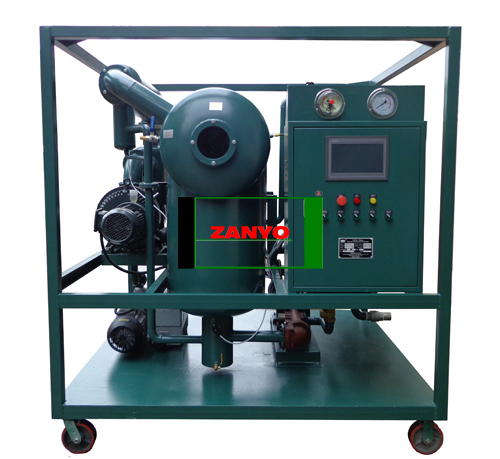
Advanced purification machine allows you to clean oil continuously without disrupting operations. These systems are especially effective for reducing particle and water contamination in large reservoirs.
Breathers and Sealing Solutions
Desiccant breathers prevent moisture and airborne particles from entering through pressure changes. Upgrading breathers is one of the most cost-effective ways to reduce oil contamination.
Best Practices for Preventing Oil Contamination
Contamination control is a system-wide discipline. You can significantly improve reliability by adopting these best practices.
Establish Cleanliness Standards
Define target cleanliness levels for each asset based on criticality and component sensitivity. Standards such as ISO 4406 provide measurable benchmarks.
Control Oil Storage and Handling
Store oil indoors, sealed, and labeled. Use dedicated, clean transfer equipment and filter oil during transfer to prevent contamination ingress.
Train Maintenance Teams
Human factors play a major role in oil contamination. Training ensures technicians understand cleanliness requirements and follow consistent procedures.
Integrate Contamination Control Into Reliability Programs
Oil contamination management should align with your broader reliability-centered maintenance (RCM) or predictive maintenance strategy.
Current Trends in Oil Contamination Management
As manufacturing systems become more complex, contamination control practices are evolving.
Increased Use of Online Sensors
Real-time particle counters and moisture sensors provide continuous visibility into oil condition. These tools support faster response and data-driven decisions.
Predictive Maintenance Integration
Oil contamination data is increasingly integrated with vibration analysis and thermal monitoring to improve fault diagnosis accuracy.
Sustainability and Oil Life Extension
Reducing oil contamination allows longer oil drain intervals, lowering waste generation and supporting sustainability goals without compromising reliability.
Conclusion
Oil contamination is one of the most controllable threats to equipment reliability, yet it remains one of the most overlooked. When you understand how contamination enters your systems, how it degrades oil performance, and how it accelerates wear, you gain the ability to prevent failures instead of reacting to them.
By combining proper filtration, disciplined maintenance practices, and data-driven oil analysis, you can significantly reduce oil contamination, extend equipment life, and improve operational reliability. In competitive manufacturing environments, that advantage translates directly into lower costs and higher uptime.