


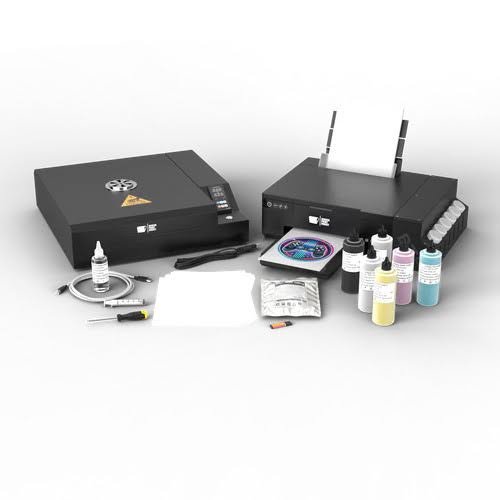
Many are starting to make their own gifts and clothes at home, and Direct to Film Print (DTF) is one of the easiest ways to start. It produces vivid colors, dark finishes, and a variety of fabrics such as shirts, hoodies, and hats. With the right tools and a bit of practice, every person can learn it easily, too.
This guide consists of all the necessary materials to begin, such as the tools, instructions, and how to print smoothly.
What Is DTF Printing?
Many beginners ask, What is dtf printing. It is a process in which a printer applies ink to a special film rather than paper. This film is later split into cloth through heat. Hence, the colors appear clear, and the design remains smooth.
Is It Possible to Do DTF Printing at Home?
Dtf printing at home has become more popular among people now, as it is inexpensive and only requires a small space. All you need to do is just sit on a small desk and begin printing by using just a few tools. Also, the process is simple and fast, which is why it is ideal when dealing with small vendors.
What You Need for the DTF Transfer Process
The dtf transfer process needs a few important materials to make the design bond well to the fabric. When you cure and press them properly, the print turns strong, flexible, and long-lasting. You will need:
- Adhesive powder: Melts and helps the ink stick to the fabric.
- Curing unit or small oven: Heats the film to melt the powder evenly.
- PET transfer film: Holds the printed design before pressing.
- Heat press machine: Applies the right heat and pressure for transfer.
- Teflon or parchment paper: Protects the film and fabric during pressing.
What are the Basic Tools You Need for DTF Printing
To achieve smooth and durable prints, various important tools are required to make every step of the process work correctly.
- DTF printer: Prints your design onto PET film.
- PET transfer films: Hold the printed artwork before transfer.
- DTF inks: Special inks that create bright and durable prints.
- Adhesive powder: Helps the design bond to the fabric.
- Heat press machine: Applies heat and pressure for the transfer.
- Curing machine or small oven: Melts the powder on the film.
What are the Steps involved in the DTF Printing Workflow?
The dtf printing process is simple to follow when you undertake every step in the sequence.
Create Your Design
Use simple design software and ensure the image is clear and vibrant. Remember to mirror the design before printing.
Print on PET Film
Load the film and print the color layer first, followed by the white ink layer to make the colors pop on any fabric.
Add Adhesive Powder
Apply powder to the wet ink, shake gently for even coverage, and remove any excess for clean edges.
Cure the Film
Place the film in a curing machine or oven until the powder melts and the surface looks slightly glossy.
Transfer to Fabric
Position the film on the fabric, cover it with paper, and press it using a heat press with steady pressure.
Peel and Press Again
Allow the film to cool, peel it slowly, and press once more for a few seconds to secure the design.
What are the Tips for Better Printing Results?
When you remember these useful suggestions, you will get a high-quality print of DTF.
- Always have a dust-free room when printing.
- Stores ink and film in cool locations.
- Wipe the printer’s heads with clean towels.
What are the Common Mistakes to Avoid during Printing?
Avoid these frequent errors to ensure smooth, high-quality DTF printing results.
- Not mirroring the design
- Pressing at the wrong heat level
- Using low-quality films
- Not curing long enough
- Leaving too much powder on the film
Conclusion
DTF is an easy process/method of printing that can be done by home-creators. With some good planning, you will print bright and long-lasting prints on various fabrics. Furthermore, once you know the workflow, you can design anything virtually. The right equipment and procedures make it enjoyable as a small business owner.
FAQs
Can I use any inkjet printer for DTF?
Not all inkjet printers work. You need to use one that accommodates the DTF inks and white ink.
Does DTF work on dark fabrics?
Yes. The white ink layer helps the design to be bright even in dark fabric.
How long do DTF prints last?
They have a long life, even when washed, cured, and pressed properly.
Is it possible to wash DTF printed clothes in hot water?
It is much more efficient to cold wash. Hot water can cause degradation of the print in the long run.
Is DTF safe for beginners?
Yes. It is easy to know and requires little space.