


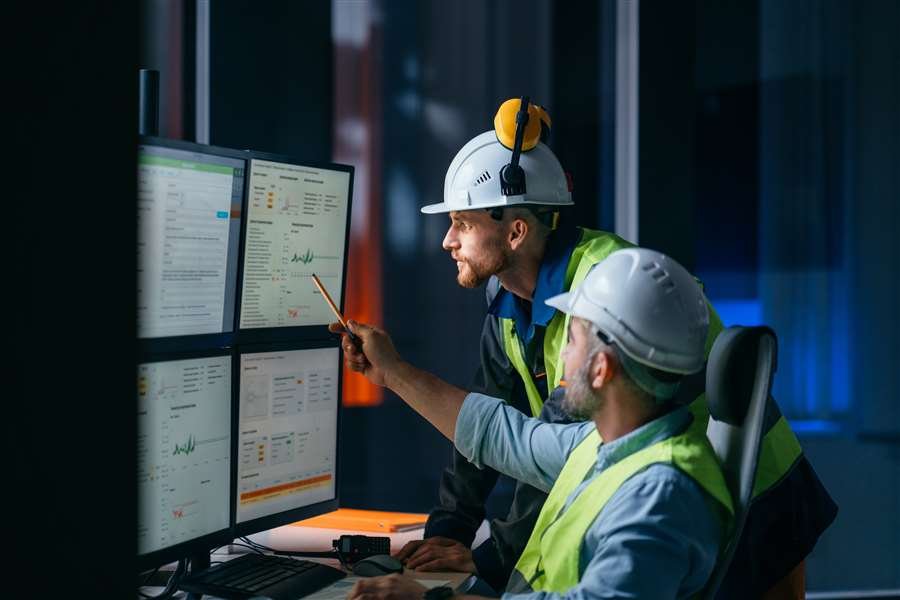
The construction and industrial sectors are undergoing major changes as technology continues to reshape how projects are designed, delivered, and maintained. With rising safety expectations, tighter regulations, and growing pressure to improve efficiency, businesses are increasingly turning to modern solutions to remain competitive. As 2026 approaches, innovation is no longer optional it is becoming a core requirement across the industry.
From advanced planning tools to smarter equipment and integrated service models, construction and industrial technology is moving toward a future that prioritises reliability, precision, and long-term performance.
Digital Planning Is Becoming the Industry Standard
Digital planning tools are now playing a central role in modern construction projects. Technologies such as Building Information Modelling (BIM), cloud-based collaboration platforms, and real-time data tracking are helping teams plan more accurately and avoid costly errors.
These tools allow project teams to visualise structures before work begins, identify potential conflicts early, and monitor progress as projects develop. As a result, delays are reduced, budgets are better controlled, and communication between contractors improves significantly.
By 2026, digital planning is expected to be standard practice rather than a competitive advantage, especially for complex industrial and commercial projects.
Automation and Precision-Driven Processes
Automation continues to expand beyond traditional manufacturing and into construction and industrial environments. Modern projects increasingly rely on precision-driven processes to improve consistency and reduce material waste.
Advanced systems such as laser cutting services and automated fabrication equipment are being used to achieve higher accuracy while speeding up production. These technologies allow materials to be prepared with minimal error, which improves overall project quality and reduces the need for rework.
Rather than replacing skilled workers, automation is enhancing their capabilities by supporting safer and more efficient workflows.
Safety Technology Is Driving Better Site Standards
Health and safety remain a top priority in construction and industrial work, and technology is playing a key role in strengthening site standards. Smart monitoring systems, digital safety logs, and sensor-based equipment checks are becoming more common.
These tools help identify risks early, track compliance requirements, and reduce human error. As safety regulations continue to evolve, companies that invest in safety-focused technology will be better positioned to protect workers and avoid costly downtime.
By 2026, digital safety systems are expected to be widely adopted across both large and mid-scale projects.
Sustainability and Smarter Use of Materials
Sustainability is increasingly influencing how construction and industrial projects are planned. Rising material costs, environmental regulations, and long-term operational considerations are pushing companies to adopt more efficient practices.
Technology supports sustainability by improving accuracy and reducing waste. Precision fabrication, efficient material handling, and durable construction methods all contribute to longer-lasting structures that require fewer repairs.
The Shift Toward Integrated Service Models
One of the most noticeable trends shaping 2026 is the move away from fragmented contracting toward integrated service models. Instead of relying on multiple disconnected providers, many projects now benefit from working with teams that offer a broader range of support.
Integrated approaches may include:
- Structural support and fabrication
- On-site industrial assistance
- Ongoing maintenance and compliance support
Providers offering industrial site services help reduce delays, improve coordination, and ensure consistent quality across all stages of a project. This shift reflects a growing demand for efficiency and accountability in complex working environments.
Technology Supporting Long-Term Asset Performance
Construction technology is no longer focused solely on project delivery. Increasing attention is being given to how structures and equipment perform over time. Smart monitoring systems now allow organisations to track wear, detect issues early, and plan maintenance more effectively.
Predictive maintenance technology helps:
- Reduce unexpected failures
- Extend the lifespan of assets
- Lower long-term operating costs
By 2026, long-term performance monitoring is expected to become a standard part of industrial and infrastructure planning.
Evolving Skills and Workforce Expectations
As technology becomes more integrated into construction and industrial work, the skills required on site are also evolving. While practical expertise remains essential, workers are now expected to understand digital tools, automated systems, and modern safety processes.
Training is increasingly focused on:
- Combining hands-on skills with technical knowledge
- Adapting to new equipment and workflows
- Improving efficiency through smarter processes
Companies that invest in both technology and skilled professionals are better prepared to meet future industry demands.
Smarter Infrastructure and Urban Development
Urban development continues to place pressure on construction and industrial services. Infrastructure must support growing populations while remaining safe, adaptable, and durable. Technology helps meet these demands by improving design accuracy, construction quality, and ongoing maintenance.
Modern infrastructure relies on:
- Strong structural planning
- Reliable industrial support
- Long-term maintenance strategies
High-quality structural metalwork plays an important role in ensuring buildings, transport systems, and public spaces remain safe and functional for years to come.
Looking Ahead to 2026
The future of construction and industrial technology is being shaped by smarter planning, precision-driven processes, and integrated service delivery. Digital tools, automation, and safety technology are no longer emerging trends they are becoming essential components of successful projects.
As the industry moves toward 2026, organisations that embrace innovation while maintaining high standards of quality and safety will lead the way. Businesses supported by reliable industrial maintenance services and modern fabrication capabilities will be better positioned to adapt to changing demands.
By combining skilled professionals with advanced technology, the construction and industrial sectors are building a future that is more efficient, resilient, and sustainable.