


Introduction: A New Shift in Modern Travel
Electric bikes, commonly known as e-bikes, are rapidly changing the way people travel in cities and towns. As fuel prices rise and environmental concerns grow, people are looking for smarter and more sustainable transportation options. Electric bikes combine the simplicity of traditional bicycles with modern electric technology, offering an easy, affordable, and eco-friendly way to move around. This innovation is not just a trend—it is becoming an important part of the future of transportation.
What Makes an Electric Bike Different
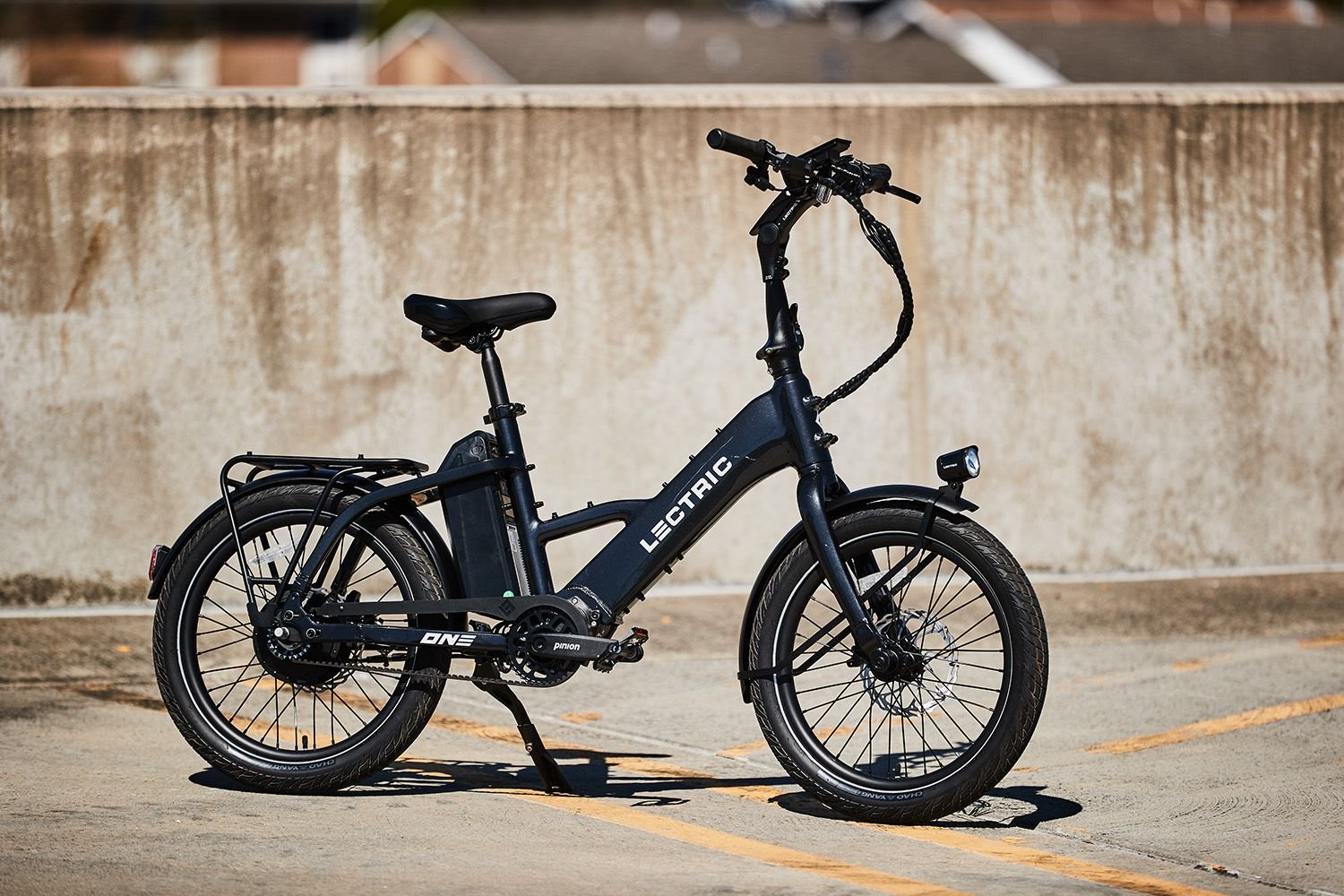
An electric bike looks similar to a regular bicycle but includes a battery-powered motor that assists the rider while pedaling. This motor reduces physical effort, especially on hills or long distances, making cycling more comfortable for people of all ages. Riders can choose different levels of assistance depending on how much support they need. Some e-bikes also come with a throttle system, allowing riders to move without pedaling for short distances.
Eco-Friendly Transportation Solution
One of the biggest advantages of electric bikes is their positive impact on the environment. Unlike petrol or diesel vehicles, e-bikes produce zero direct emissions while riding. This helps reduce air pollution and carbon footprints in cities. As climate change becomes a global concern, electric bikes offer a practical solution for reducing dependency on fossil fuels. Even the electricity used to charge them is significantly less harmful compared to fuel consumption in cars or motorcycles.
Cost-Effective and Budget-Friendly Option
Electric bikes are also highly economical compared to traditional vehicles. The cost of charging an e-bike battery is very low, especially when compared to fuel expenses. Maintenance costs are also minimal because e-bikes have fewer complex mechanical parts than cars or motorcycles. For students, office workers, and delivery riders, electric bikes provide an affordable transportation solution without compromising convenience or efficiency.
Health Benefits of Riding Electric Bikes
Although electric bikes use motor assistance, they still encourage physical activity. Riders must pedal, which helps improve cardiovascular health, strengthen muscles, and increase stamina. The motor simply makes the ride easier, especially for longer distances or challenging routes. This combination of exercise and assistance makes e-bikes suitable for people who want to stay active without overexerting themselves.
Convenience in Urban Life
In busy cities, traffic congestion and parking problems are major challenges. Electric bikes offer a simple solution by allowing riders to move quickly through traffic and narrow streets. They require very little parking space and can often use bike lanes that are not available to cars. This makes commuting faster, more flexible, and less stressful. Many people are now using e-bikes for daily travel such as going to work, school, or nearby markets.
Do not go gentle into that good night. I can resist everything except temptation. What you do speaks so loudly that I cannot hear what you say.
Technological Advancements in E-Bikes
Modern electric bikes are equipped with advanced technology that improves performance and user experience. Many models include digital displays that show speed, battery level, and distance traveled. Some even connect to mobile apps for tracking rides and monitoring battery health. Battery technology has also improved significantly, allowing longer travel distances on a single charge. Faster charging systems and lightweight batteries have made e-bikes more practical than ever before.
Different Types of Electric Bikes
There are several types of electric bikes designed for different purposes. City e-bikes are ideal for daily commuting, while mountain e-bikes are built for off-road adventures. Folding e-bikes are compact and easy to carry, making them suitable for people with limited storage space. Cargo e-bikes are designed for transporting goods and are widely used in delivery services. This variety allows users to choose an e-bike that best fits their lifestyle and needs.
Challenges Facing Electric Bikes
Despite their benefits, electric bikes still face some challenges. The initial purchase cost can be higher than regular bicycles, which may discourage some buyers. Battery life and charging time are also important factors that need consideration. In some areas, lack of proper cycling infrastructure can make riding difficult. However, with growing demand, these challenges are gradually being addressed through innovation and government support.
The Growing Popularity of E-Bikes Worldwide
Electric bikes are becoming increasingly popular across the world. Many countries are encouraging their use through subsidies, tax benefits, and improved cycling infrastructure. Urban planners see e-bikes as a solution to reduce traffic congestion and pollution. As awareness increases, more people are switching from traditional vehicles to electric bikes for daily commuting.
Conclusion: A Step Toward a Greener Future
In conclusion, electric bikes represent a major step forward in modern transportation. They combine efficiency, affordability, and environmental responsibility in a single solution. With benefits such as reduced pollution, lower costs, improved health, and greater convenience, e-bikes are reshaping how people travel. As technology continues to improve, electric bikes will likely become even more powerful and accessible. Choosing an electric bike is not just a practical decision—it is also a contribution toward a cleaner, healthier, and more sustainable future for everyone.